Market notes

Indonesia Galangal Dried Supplier for India

This is the one destination where the buyer almost certainly knows more about spice than we know about their market. That is uncomfortable for a seller who relies on explaining, and straightforward for one who relies on measuring.

Short answer: For dried galangal in India, define application, format, physical tolerances, moisture, packing, quantity, destination, documents, and Incoterm. The buyer does not need the product explained. Claims are cheap here; a specification you can hold is the whole argument.

Who buys what, and why it differs here

India grows, processes, grades, and exports spice at a scale that makes it a producer before it is a buyer. When it imports a botanical, it is usually because the species is not grown domestically at the volume or the profile required — not because the buyer needs educating about dried rhizome.

That changes what a first enquiry is actually testing. Elsewhere a supplier is asked to explain the material and demonstrate that it understands the destination. Here the supplier is being assessed by someone who runs sorting lines, reads a certificate of analysis fluently, and has a mental benchmark from their own crop and their own suppliers. Claims are cheap in this conversation. A specification you can hold, and a sample that matches it, are the whole argument.

There is a second thing worth naming honestly rather than assuming. Galangal has a long-established place in Indian herbal and traditional-medicine supply, and buyers from that channel assess material on a different axis from food buyers — different parameters, different documentation, and in many cases manufacturing standards that sit outside the food framework entirely. We do not currently hold that framework, so we would rather ask which channel you are than imply we serve both equally.

Product fit for this market

Relevance by product — India
Product Relevance here Suggested grade / format Note
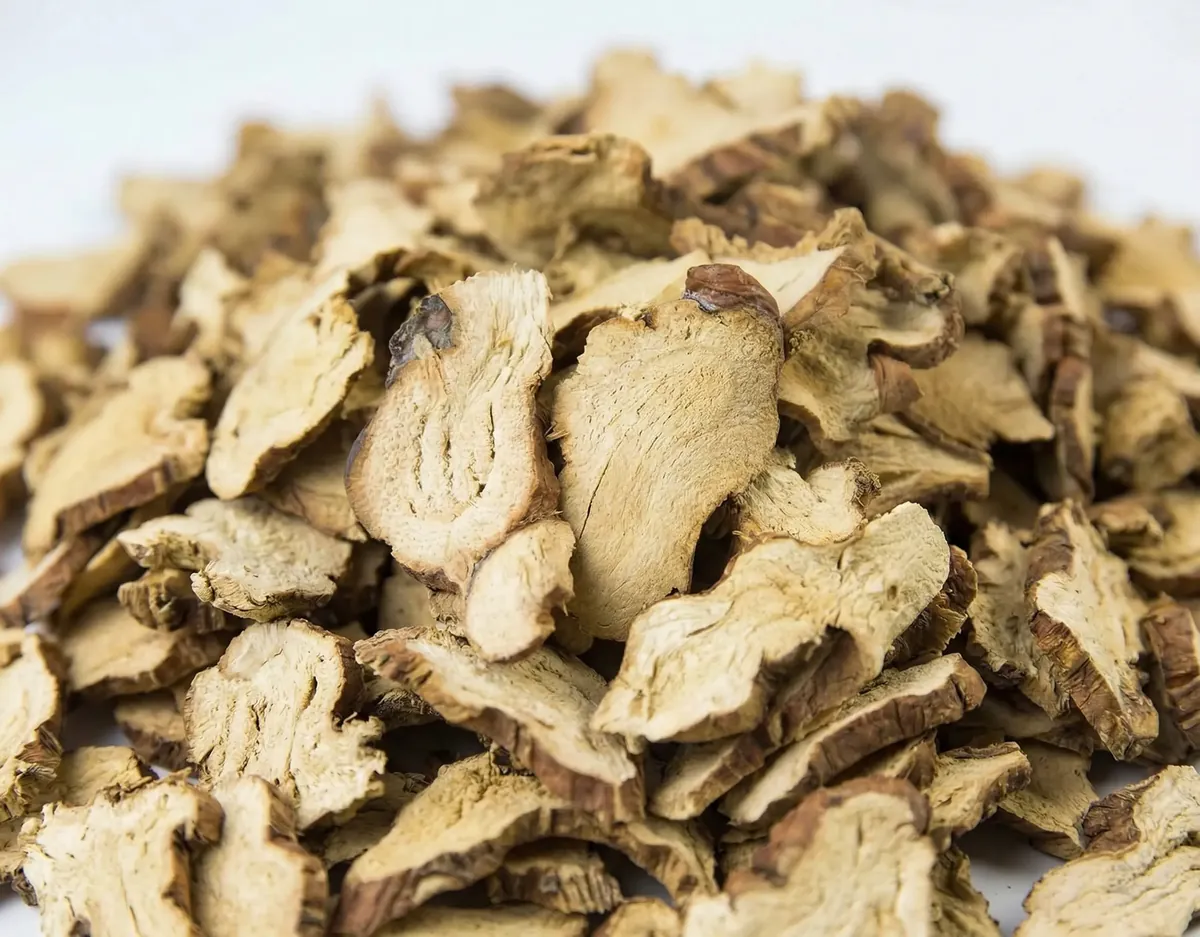
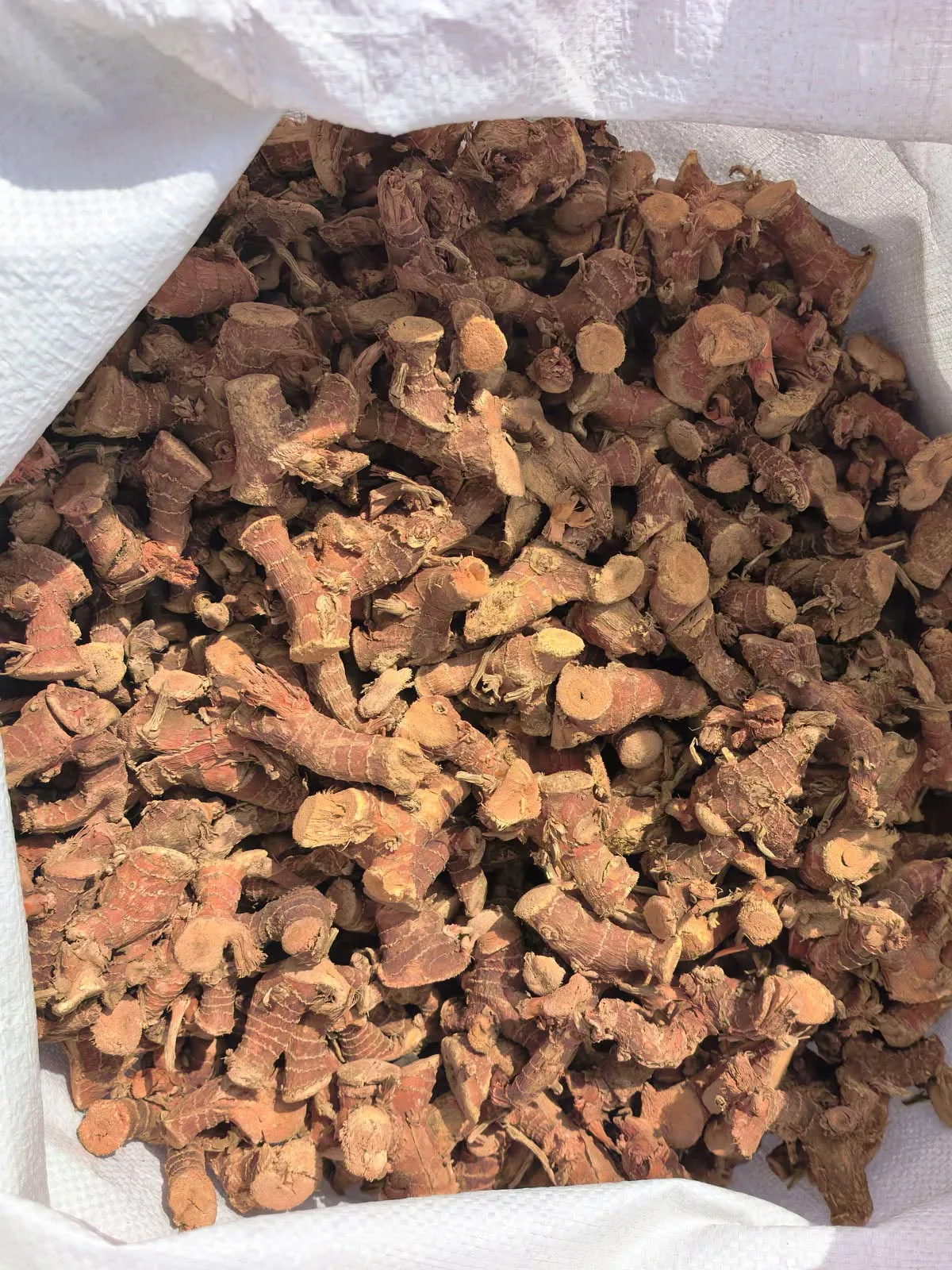
Dried galangal whole & chunk Lead Written piece definition Buyers here are generally equipped to sort, cut, and mill, and a larger piece leaves those decisions with the party best able to make them.
Dried galangal slices On request Buyer-defined cut, sample-led Where a defined cut goes straight into a blend or a pack without further reduction.

One of only two destinations on this list where the larger format leads, and for the same underlying reason: the buyer reduces it themselves.

Both products in detail

The assessment that happens after clearance, not at it

Entry

Food safety regulation and a phytosanitary certificate per consignment apply in the usual way, and the requirements for this commodity and origin are for your broker to confirm before the first booking. We will not pretend this is the interesting part of an Indian enquiry. The assessment that decides whether there is a second order happens after clearance, not at it.

Selling to a buyer who knows the commodity better than we do

A buyer here has almost certainly handled more lots of dried rhizome than we will ship in a year, and that changes what is worth saying rather than how much. Descriptive language about quality is wasted on someone who can assess it faster than we can describe it. A written specification and a physical sample are not, because both can be checked against a standard the buyer already carries.

It changes what a first enquiry should ask for, too. Rather than proposing a grade, we would rather be told the grade you already buy against and be measured on whether we can hold it. That is a shorter conversation and a more honest one, and it fails fast if we cannot.

Where the real assessment happens

Clearing the border is not the test here; the buyer is. A professional spice buyer will screen an incoming lot against their own criteria as a matter of routine, and they will do it with equipment and experience that most food manufacturers elsewhere do not have. A supplier whose figures were optimistic is found out immediately rather than eventually.

We consider that an advantage rather than a hazard, for the same reason it is an advantage in the Netherlands: a market that verifies is a market where writing things down earns something. Send your incoming panel with the enquiry and the scope is agreed against what you will actually measure, not against a general specification.

⚠ The herbal channel: a question, not an offer

If the material is destined for herbal or traditional-medicine manufacture rather than food, the requirements are different in kind — not merely stricter. Manufacturing standards, permitted-source documentation, and the parameters that matter all shift. We currently supply on a food basis. Tell us at enquiry if your route is the other one, and we will tell you plainly whether we can meet it rather than discover the gap after a sample is approved.

Route and packing to Nhava Sheva

Port of discharge

Nhava Sheva for buyers in the west, Chennai for the south, and Kolkata where an eastern routing suits. The port choice follows the buyer's processing location rather than the other way round.

Transit

Tanjung Priok to the port of discharge, sailing schedule and transit stated in the quotation for the booking offered.

Monsoon and moisture

Arrival timing matters more here than on most routes. A consignment landing into high humidity is handled and stored under conditions that punish a marginal moisture figure, and the specification should be set with the arrival window in mind rather than the loading date. Tell us the months you plan to receive.

Packing for a sorting line

A buyer here almost certainly handles this commodity already and has a bag weight, an opening method, and a stacking pattern that suit an existing line. The useful instruction is not what we would recommend but what you already run, because matching it costs us nothing and changing it costs you a shift.

Terminology and commercial norms

Enquiries arrive in English and use the botanical name or the English trade term in written specifications. Regional names exist for this rhizome in several Indian languages, and where one appears in an enquiry the safest response is to confirm against Alpinia galanga rather than assume — the same common-name overlap that causes confusion between greater and lesser galangal in Europe exists here too, with more languages involved.

Commercially, expect terms to be negotiated closely and expect the specification conversation to be more technical than in most destinations. That is not friction; it is the market working as it should. A buyer who argues about a tolerance before the order is a buyer who will not be surprised by it afterwards.

How a first order into India is de-risked

  1. Sample first

    Approve a physical sample before any container commitment. The approved sample becomes the acceptance reference.

  2. Written specification

    Format, tolerances, packing, and documents recorded before production. No verbal promises.

  3. Start small

    Trial quantities and mixed loads are reviewed before quotation — you are not forced into full-container risk.

Questions from Indian buyers

Why would we import galangal at all?

Usually because the profile or the volume you need is not what domestic supply gives you in a given season, and occasionally because a customer specifies origin. If neither applies to you, that is a fair answer and we would rather hear it than sell against it.

Our incoming screening is stricter than most certificates. Will that be a problem?

It is the opposite of a problem, provided we agree the scope beforehand. Send the panel you screen against with the enquiry and the specification is written to it. What causes trouble is being measured on a parameter nobody named — not the strictness itself.

Is this material suitable for herbal or Ayurvedic manufacture?

We supply on a food basis, and herbal manufacture is a different framework with different documentation and different manufacturing standards. Rather than claim coverage we do not have, we will ask which route you are on and answer honestly. If it is the herbal one, say so early.

Which port should we route to?

Whichever is closest to where the material is processed, not whichever has the shortest sea leg. Tell us the processing location and we will quote against delivered cost — the inland leg in this country is frequently the larger part of it.

How do you handle arrival during the monsoon?

By specifying against the arrival window rather than the loading date. A moisture figure that is comfortable on departure can sit at the edge after weeks at sea into high humidity, and the liner and ventilation choices are made with that in mind. Tell us the months you plan to receive.

Request a quotation basis for India

Destination is pre-filled. Tell us the product, the processing location, and whether the material is for food or herbal manufacture — the last one we need to know before quoting, not after.

Complete briefs receive a substantive reply from the export desk — not an autoresponder. Incomplete enquiries receive clarifying questions the same day.

Opens WhatsApp with your brief filled in. Nothing is stored on this site.

WhatsApp