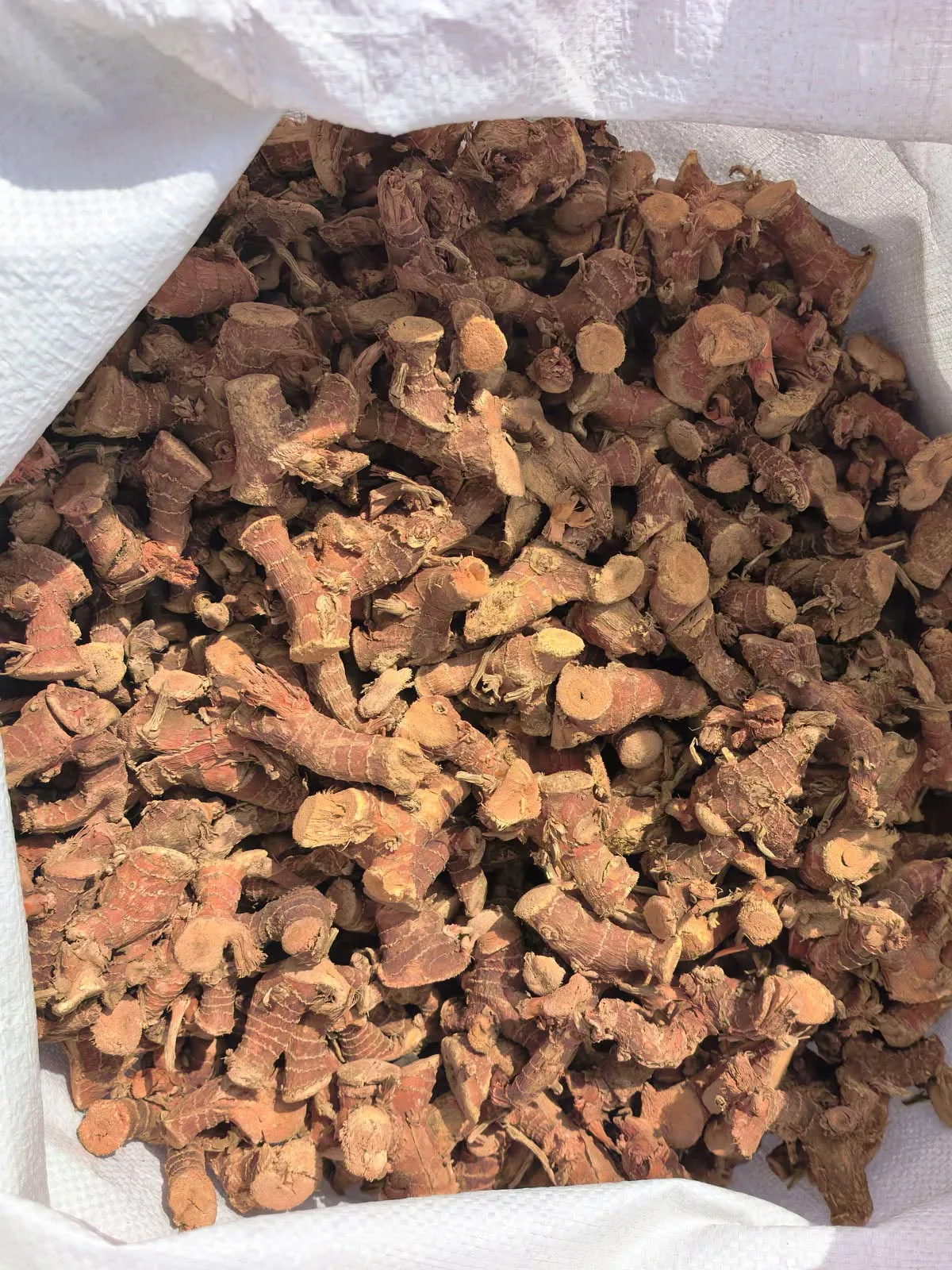
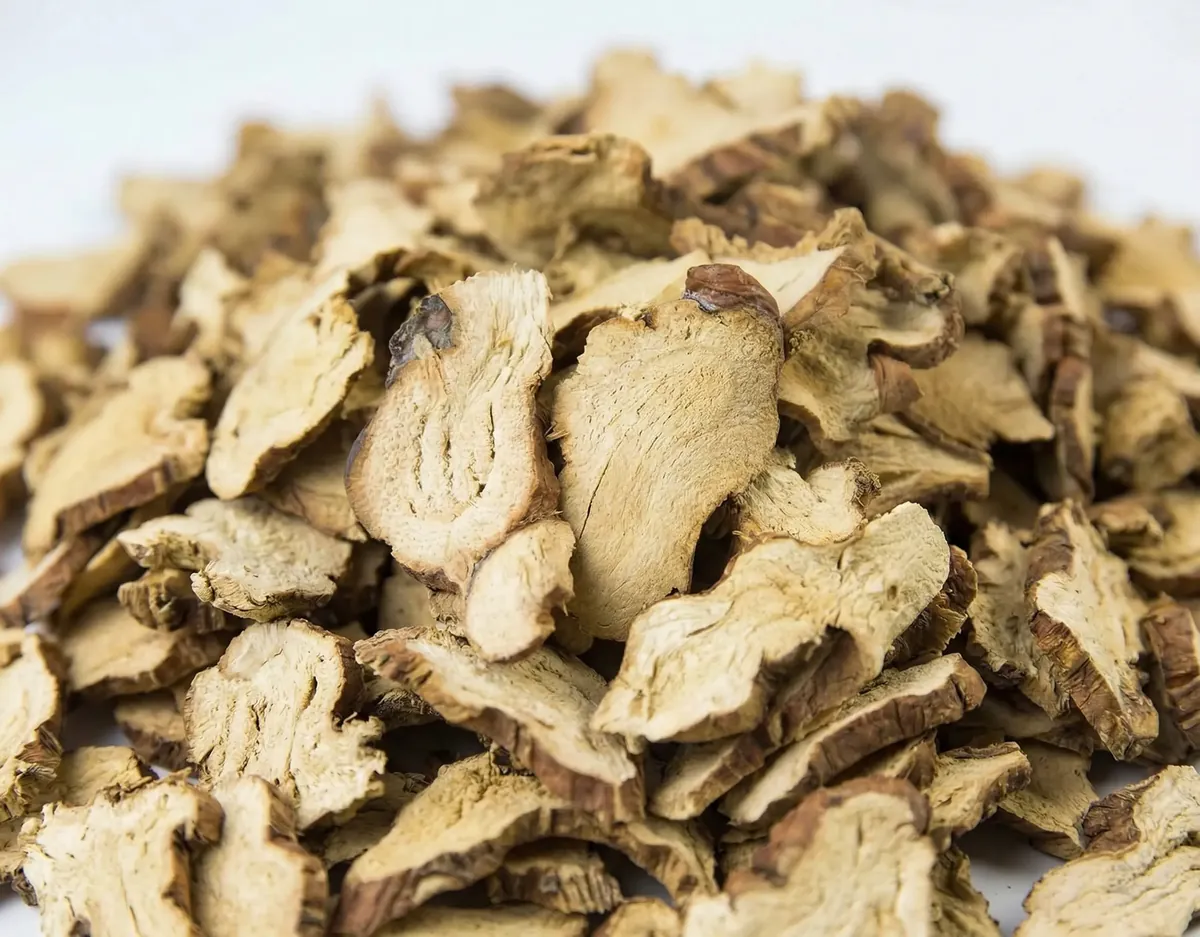
Dried galangal slices
- Cut
- Buyer-defined
- Basis
- Approved sample
Market notes
The market can absorb a container over a year. No single order here ever looks like one — demand arrives split across separate buying bodies, and that changes what we need to get right before the first shipment.
Short answer: For dried galangal in Kuwait, define application, format, physical tolerances, moisture, packing, quantity, destination, documents, and Incoterm. A small market whose grocery trade is fragmented across separate buying bodies, so volume comes as repeat increments rather than one contract.
Almost all food here is imported, and the material itself needs no introduction — it is already used in the cooking of the resident communities and stocked accordingly. What is unusual is not the demand but its shape.
Grocery buying is distributed across a number of separate purchasing bodies rather than concentrated in two or three national accounts. Each places modest orders on its own cycle, and being supplied to one of them does not put a supplier in front of the others.
Add the two together and a familiar assumption stops holding. In most destinations a good first order predicts a larger second one. Here growth comes from adding buyers rather than from any one of them buying more, and a supplier who plans for the usual curve will misread a perfectly healthy account.
| Product | Relevance here | Suggested grade / format | Note |
|---|---|---|---|
| Dried galangal slices | Lead | Retail-ready outer sizing | Stocked for household and foodservice cooking rather than industrial processing. |
| Dried galangal whole & chunk | Secondary | Smaller outers than usual | Where a repacker or spice house prepares it locally for its own labels. |
The specification that matters most on this route is the pack, not the grade. Sizing is set against the smallest order a buyer will actually place, not against the shipment total.
Both products in detail
This is a Gulf destination inside a customs union, with an importer-held registration and a phytosanitary certificate issued per consignment alongside the rest of the export set. How enforcement works in practice across the Gulf is set out on our Saudi Arabia page and applies in outline here; the differences worth confirming are local and belong to your broker rather than to us.
When a buyer draws twenty or forty units rather than a pallet, an outer sized for a factory becomes somebody else in the chain opening, weighing, and rebagging it. That handling happens outside our control and outside our documentation, and it is where an otherwise sound lot picks up the problems it gets blamed for.
So the sizing question comes early on this route rather than at the end. We would rather ship a pack that reaches the shelf or the kitchen unopened than a cheaper one that is guaranteed to be split by hand.
Usually that one consignment is built to serve several buyers rather than one. That is workable and we plan for it, but it has to be said out loud at quotation, because it changes lot marking, the number of pack sizes in the container, and how the paperwork identifies what went where.
It also affects storage. Material bought for several months of slow turnover sits longer than material consumed on arrival, so remaining shelf life at handover is worth agreeing explicitly rather than assuming the ordinary figure covers it.
With the smallest realistic order to one buyer, packed the way it would be packed at volume. That tells both sides more than a larger trial in the wrong pack, because the thing being tested here is not whether the material suits the market — it plainly does — but whether the format survives the way this market actually distributes it.
We do not currently hold Halal certification. Nothing in a dried rhizome makes the question difficult; it turns on how the material is handled and kept apart, not on what it is. What is specific to this market is the arithmetic: with buying split across separate bodies, the question is not asked once but as many times as there are buyers.
If it is a listing condition for the buyers you deal with, we are not the right supplier for those lines today. Establishing that in the first exchange costs one message and saves a sampling round.
Shuwaikh serves the country directly, and some cargo arrives on a feeder from a larger Gulf hub. Which applies is settled at booking because it changes the names on the documents.
Quoted for the booking actually offered rather than as a typical figure.
Normal on this route and priced as such. Stated at quotation so the loading plan and the lot marking are built for it rather than adapted afterwards.
Agreed as a figure rather than assumed, because stock here turns over slowly by design. A buyer holding several months of cover is exposed to the remaining life, not to the life at production.
The sailing is short and the climate at both ends is warm, so the usual concern is less about the voyage than about storage after it. Liner and pack are specified against the holding period, not just the transit.
Correspondence is in English and Arabic, and product naming on retail packaging follows the buyer rather than us. The botanical name Alpinia galanga is what we put on the specification so that a description written for one buying body is legible to the next one without renegotiation.
Commercially the norms are Gulf norms and unremarkable. The planning difference is cadence rather than terms: orders are smaller and more frequent than the market size suggests, so the supplier who does well here is the one who treats a modest repeat call as the normal unit of business rather than as a disappointing follow-up.
Approve a physical sample before any container commitment. The approved sample becomes the acceptance reference.
Format, tolerances, packing, and documents recorded before production. No verbal promises.
Trial quantities and mixed loads are reviewed before quotation — you are not forced into full-container risk.
Yes, and on this route we expect them to be. Demand here is split across separate buying bodies rather than concentrated, so a modest repeat order is the normal unit of business and we price and plan on that basis.
Yes, and it usually does. Say so at quotation rather than at loading — it changes the pack sizes in the container, the lot marking, and how the documents identify which part went where.
Because an outer sized for a factory will be opened and rebagged by hand somewhere in this chain, and that handling is where a sound lot picks up problems it then gets blamed for. Getting the pack right removes a failure we cannot otherwise see.
Agreed as a figure rather than assumed, because stock here is bought for months of slow cover. What matters to you is the life remaining at handover, not the life at production, so that is the number we write down.
Commercially, less than you might expect — being listed with one does not carry across. It is worth knowing on our side too, because it means we should not read a first order as a forecast of the second.
Destination is pre-filled. Tell us the pack size your buyers actually call off and whether one shipment needs to serve more than one of them — those two answers shape the quotation more than the tonnage does.
Complete briefs receive a substantive reply from the export desk — not an autoresponder. Incomplete enquiries receive clarifying questions the same day.