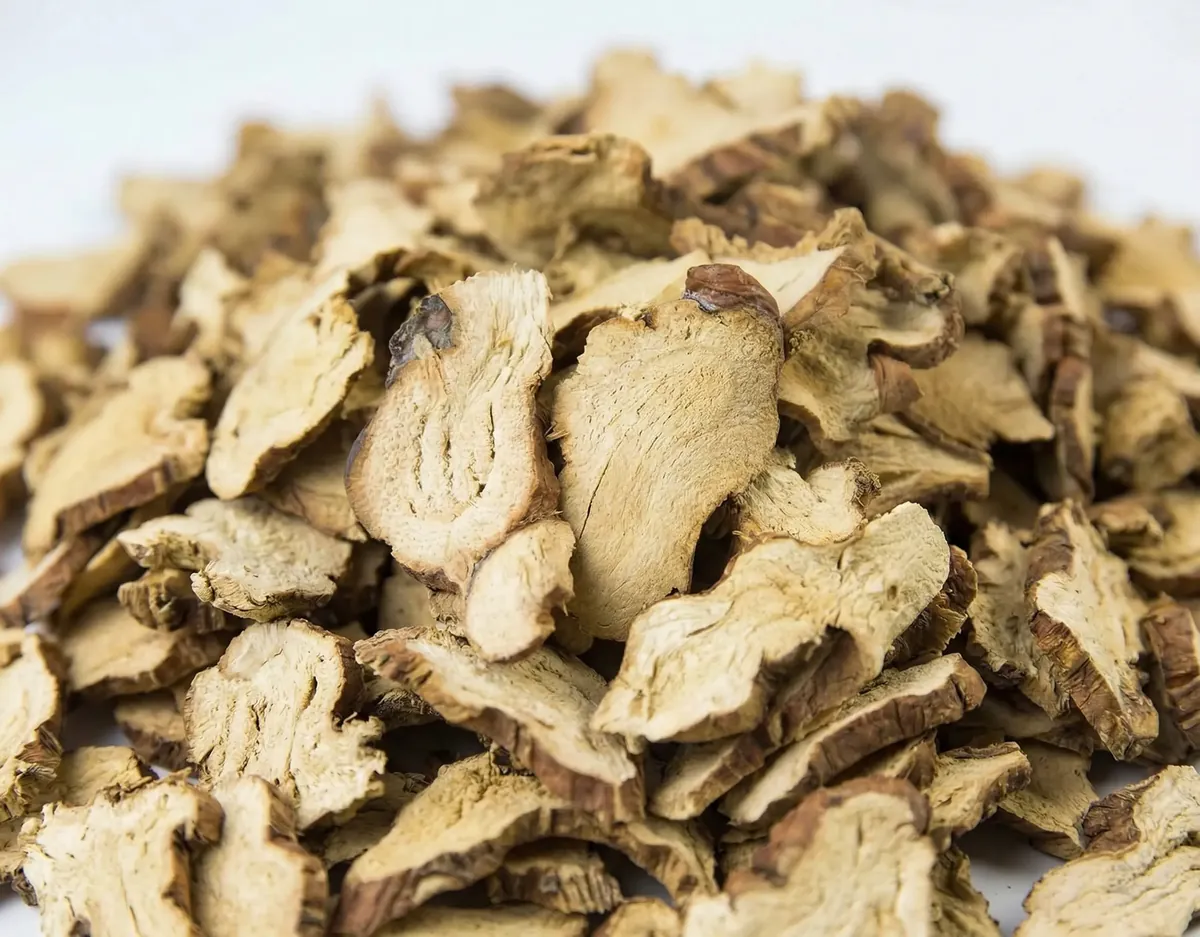
Dried galangal slices
- Cut
- Buyer-defined
- Basis
- Approved sample
Regional notes
Angola and Mozambique sit on different oceans and answer to different authorities. What they have in common is the language their paperwork is read in — and that turns out to decide more than the geography does.
Short answer: Galangal buyers serving Lusophone Africa should confirm use, format, cut or piece range, moisture, packing, volume, destination, documents, and trade term. They sit on different oceans and answer to different authorities; what they share is the language the paperwork is read in and a trade route through Europe.
Buyers are importers and wholesalers supplying grocers, hotel and catering operations, and a growing food-repacking trade. The commercial profile is familiar and the requirements are not exotic.
What makes these two markets worth treating together is not proximity, because they have none. Angola faces the Atlantic and Mozambique the Indian Ocean; the sea routes from Indonesia to each are entirely different, and no cargo of ours would ever move between them.
What they share is the language the paperwork is read in, and one consequence of that which is easy to miss: it shapes who is able to serve the trade at all. A supplier whose documents only work when somebody explains them is a supplier who needs an intermediary.
| Product | Relevance here | Suggested grade / format | Note |
|---|---|---|---|
| Dried galangal slices | Lead | Buyer-defined cut | Importers and repackers supplying grocery and catering channels. |
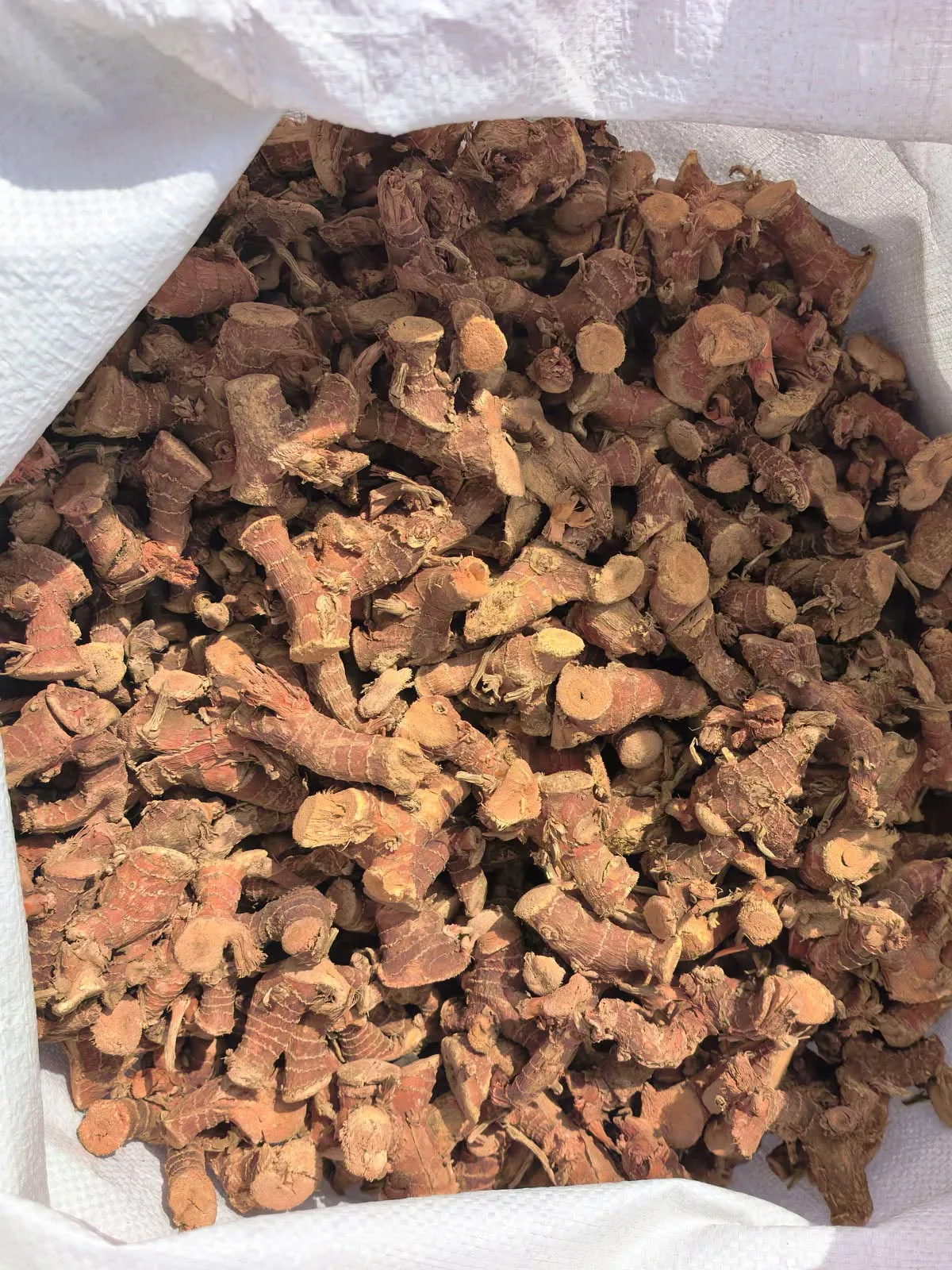
| Dried galangal whole & chunk | On request | Written piece definition | Where a repacker mills or cuts locally for its own labels. |
The specification is ordinary on this route. The item that decides whether a first shipment clears without help is whether the paperwork stands on its own in Portuguese.
Both products in detail
These are two separate jurisdictions and their requirements are set independently — the constant is a phytosanitary certificate per consignment with the usual export set. We do not treat one as a guide to the other, and neither should a buyer.
A certificate that has to be interpreted by a third party before it can be presented is not a complete document. Where the chain is read in Portuguese, a supplier working only in English is effectively dependent on somebody in the middle who can bridge it — and that dependence has a price attached to it, whether or not it appears on an invoice.
That is why the botanical name leads on everything we issue for these markets. Alpinia galanga is the part of a description that does not need translating, and it is what lets a broker match a certificate to a customs entry without asking anyone.
A share of this trade reaches these markets through European intermediaries rather than from origin. Our Portugal page describes that channel from the other end and it is not repeated here.
What is worth saying from this side is the trade-off. Buying direct usually improves the landed cost, and it also moves work that the intermediary was quietly absorbing: the import formalities, the correspondence with origin, and the checking of documents before they are presented. Neither arrangement is better in general, and we would rather a buyer choose it deliberately than discover the difference after the first container.
We keep descriptions narrow and consistent between the invoice, the packing list, and the certificates, so the three documents describe the same thing in the same words. We confirm the consignee exactly as it is registered rather than as it appears in correspondence. And where a document could be read as covering more than it does, we issue a narrower one.
None of that is sophisticated. It is the difference between a broker clearing a consignment and a broker sending a query, and on a route where we are unlikely to be reachable in the same working hours, that difference is the whole of it.
One practical note that follows from the geography rather than the language. Mozambique is reached across the Indian Ocean on a much shorter run than Angola, which sits beyond it on the other side of the continent. The same buyer group, the same documents, and schedules that are not remotely comparable.
We quote each separately for that reason and never as a regional figure. Where a company operates in both, the specification can be shared but the schedule cannot.
Named by the buyer. We do not recommend one over another — capacity and congestion change, and a supplier offering an opinion from this distance is guessing.
Quoted per market, never as one regional figure.
Descriptions kept identical across invoice, packing list, and certificates, with the botanical name carried on all three so nothing depends on interpretation.
Taken as registered rather than as written in correspondence, and confirmed per shipment. A mismatch found at the border is expensive in a way a mismatch found at booking is not.
Both runs are long and both ends are warm, with a transhipment likely on at least one of them. Liner and pack are agreed against the full path, and the arrival figure is stated rather than assumed.
Correspondence may run in Portuguese or English depending on the company, and the two often mix within one thread. That is workable; what is not workable is a description that changes wording between documents, because the reader reconciling them is usually not part of the conversation.
Commercially the terms are ordinary and the negotiation is direct. The planning point is that the working day barely overlaps with ours on one coast and only partially on the other, so a query raised at a border tends to cost a full day before it is even read. Preparing documents to be self-explanatory is not politeness here; it is the cheapest schedule insurance available.
Approve a physical sample before any container commitment. The approved sample becomes the acceptance reference.
Format, tolerances, packing, and documents recorded before production. No verbal promises.
Trial quantities and mixed loads are reviewed before quotation — you are not forced into full-container risk.
That is the point of how we prepare them. Descriptions stay identical across the invoice, packing list, and certificates, the botanical name is carried on all three, and the consignee is taken exactly as registered — so nothing depends on somebody bridging it for you.
You may not want to. Buying direct usually improves the landed cost, but it also moves work the intermediary was absorbing: the formalities, the correspondence with origin, and the document checking. Worth choosing deliberately rather than discovering after the first container.
One specification, yes. One schedule, no — the two runs are not remotely comparable, because one is reached across the Indian Ocean and the other lies beyond it on the far side of the continent. We quote them separately for that reason.
None — we will not offer an opinion on that. Capacity and congestion change, and a supplier assessing it from this distance is guessing with your money. Name the port and we build the documents around it.
We do not assume so, and neither should you. They are separate jurisdictions setting their own conditions; the constant is a phytosanitary certificate per consignment. Anything beyond that we ask your broker rather than generalise from the other market.
Destination is pre-filled. Name the market and the port, and tell us whether you buy direct or through an intermediary today — that decides which parts of the process land on your side.
Complete briefs receive a substantive reply from the export desk — not an autoresponder. Incomplete enquiries receive clarifying questions the same day.