Market notes

Indonesia Galangal Dried Supplier for Portugal

Material clears European rules here, gets processed, and a share of it leaves again for markets outside the bloc. Two regimes in sequence, and the binding one usually belongs to neither of us.

Short answer: A galangal enquiry for Portugal should state use, slices or whole/chunk, cut or piece tolerance, moisture, packing, volume, destination, documents, and trade term. The ingredient clears EU rules, is processed, and leaves again for markets outside the bloc — so neither side of the transaction sets the binding requirement.

Who buys what, and why it differs here

Buyers are food manufacturers producing seasonings, sauces, and prepared foods, and importers supplying retail and a food service channel. On its own that is an ordinary European market of modest size, and the technical conversation is the ordinary European one.

What makes it its own case is where a share of the finished product goes. Established trade relationships connect food companies here with Portuguese-speaking markets outside the European Union, and material bought as an ingredient frequently leaves again inside something else.

So a consignment can pass through two regulatory systems in sequence — the European one on the way in, and a different one on the way out — with no relationship between them. Meeting the first is necessary. It is not sufficient, and it does not tell you anything about the second.

Product fit for this market

Relevance by product — Portugal
Product Relevance here Suggested grade / format Note
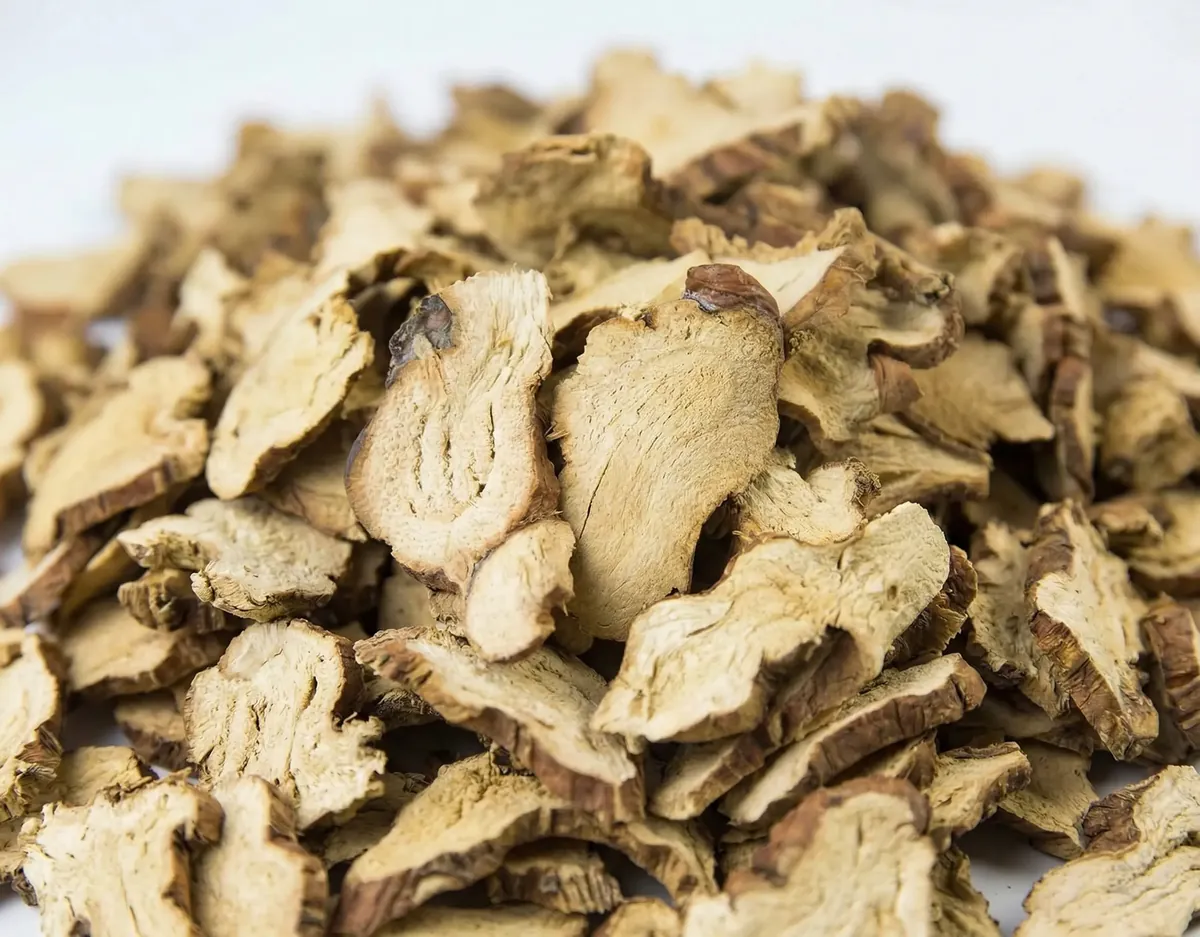
Dried galangal slices Lead Buyer-defined cut, sample-led Manufacturers producing for domestic retail and for export markets outside the bloc.
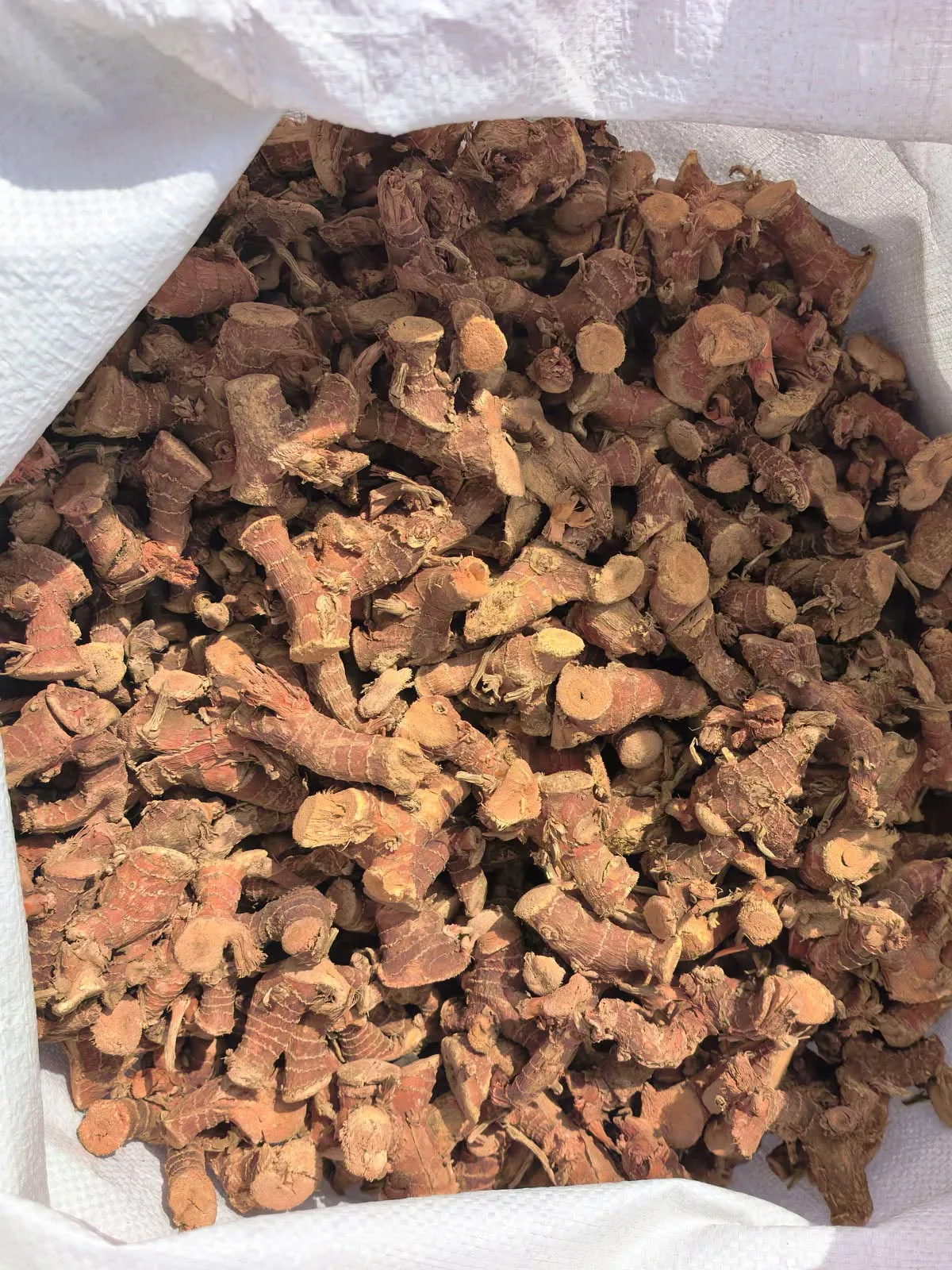
Dried galangal whole & chunk On request Written piece definition Where a buyer grinds in-house or repacks for the wholesale trade.

Say at enquiry whether any of the finished product leaves the bloc. It changes the documentation without changing the material.

Both products in detail

Two regimes in sequence, and neither of them is ours

The European part, briefly

Entry conditions are the EU ones with a phytosanitary certificate per consignment, enforced by the Portuguese authorities. That position applies at any European port and is set out at length on our other EU pages.

Why clearing the first regime tells you nothing about the second

A market outside the union sets its own limits, its own document requirements, and its own view of what an acceptable certificate looks like. There is no mechanism by which European clearance carries across, and no reason to expect the two to align on any particular parameter.

That is easy to state and easy to forget, because the material has already been through a rigorous process by the time it leaves. The failure mode is a lot that was entirely correct on arrival here and unusable for the export line it was bought for — and unlike a border problem, nothing catches it in between.

Documents that have to survive being transformed

This is the part that separates this destination from an ordinary re-export market. Where goods are forwarded intact, the original documents travel with them. Here the material becomes an input to something else, so what has to survive is not the paperwork itself but the traceable link between our lot and a finished product that no longer looks like it.

Practically that means per-lot figures rather than typical ones, lot identity marked so it can be recorded at intake, and retained samples kept against lots actually shipped. A question arriving from a market we never dealt with, about a product we did not make, is answerable only if those three exist.

Specify against the strictest, or segregate

There are two workable answers and it is worth choosing deliberately rather than drifting into one. Either the specification is written against the most demanding requirement in the chain and every lot meets it, or lots destined for different onward markets are kept separate from intake onwards.

The first is usually cheaper for a buyer of this size; the second is only worth it where one onward market is both large and unusually demanding. What does not work is producing to the European requirement and deciding later where a lot goes — that is the sequence that produces the failure above.

Where the material stays in Portugal

For the share that is sold domestically, none of the above applies and the conversation is the ordinary European one: written specification, approved sample, per-lot figures, phytosanitary certificate per consignment. Say which part of your volume is which at enquiry, because the two produce different documentation from identical material.

Route and packing to Leixoes or Lisbon

Port of discharge

Leixoes serves the north and the industrial belt around Porto; Lisbon serves the centre and south. Sines handles deep-sea calls and is used where a service favours it. The inland difference is larger than the sea difference.

Transit

Tanjung Priok to the named discharge port, stated in the quotation for the booking offered. Atlantic-facing ports are reached on different services from the Mediterranean ones, so we quote the routing actually booked.

Lots destined to leave again

The marking and retention described above are set before production, not arranged afterwards. Once a lot has been opened into a process, nothing can be added to it retrospectively — which is the whole reason the link has to be built in.

Segregation, if you choose it

Keeping lots separate by onward market is workable and changes the packing brief rather than the material. Tell us at enquiry — it cannot be arranged after a consignment has been consolidated.

Moisture across a long Atlantic route

The routing is long and ends considerably cooler than it starts. Liner and ventilation are agreed against the routing actually booked, and the arrival figure is specified rather than assumed.

Terminology and commercial norms

Enquiries arrive in Portuguese and English, and the botanical name Alpinia galanga does more work here than usual: a description written for a European specification may later be read by an authority in a market outside the bloc, in a third language, against a document set assembled by somebody else. It is the one term that does not shift along that chain.

Commercially the pattern is European — written specifications, approved samples, terms agreed alongside price. What is worth raising in the first message rather than the fourth is the destination of the finished product, because that decides whether one specification serves the whole volume or two are needed.

How a first order into Portugal is de-risked

  1. Sample first

    Approve a physical sample before any container commitment. The approved sample becomes the acceptance reference.

  2. Written specification

    Format, tolerances, packing, and documents recorded before production. No verbal promises.

  3. Start small

    Trial quantities and mixed loads are reviewed before quotation — you are not forced into full-container risk.

Questions from Portuguese buyers

Our finished product is exported outside the EU. Does EU compliance cover it?

No. A market outside the union sets its own limits and its own document requirements, and European clearance does not carry across. Meeting the EU position is necessary and tells you nothing about the second regime.

Should we write one specification or two?

Either specify against the strictest requirement in the chain and hold it on every lot, or segregate lots by onward market from intake. What does not work is producing to the European requirement and deciding later where a lot goes — that is the sequence that produces an unusable lot.

A question may come from a market we export to, about a product we made. Can you help?

Only if the link back to our lot survived the transformation. That is why we supply per-lot figures rather than typical values, mark identity so it can be recorded at intake, and keep retained samples against lots shipped.

Can you tell us what the onward market requires?

No, and we would be cautious about a supplier who claimed to. Those regimes differ from each other and change. Tell us which markets are involved and we work to the requirement you give us rather than to one we guessed at.

Part of our volume stays in Portugal. Does that simplify things?

Yes — for that share the conversation is the ordinary European one. Say which part of your volume is which at enquiry, because identical material produces different documentation depending on where the finished product goes.

Request a quotation basis for Portugal

Destination is pre-filled — change it to Lisbon or Sines if that suits you. Tell us whether any of the finished product leaves the bloc, and where.

Complete briefs receive a substantive reply from the export desk — not an autoresponder. Incomplete enquiries receive clarifying questions the same day.

Opens WhatsApp with your brief filled in. Nothing is stored on this site.

WhatsApp