Market notes

Indonesia Galangal Dried Supplier for Malaysia

This is the one market where nobody needs the product explained. Malaysian buyers call it lengkuas too, cook with it the same way, and can tell good material from poor at a glance. What has to be earned here is reliability, not credibility.

Short answer: For dried galangal in Malaysia, define application, format, physical tolerances, moisture, packing, quantity, destination, documents, and Incoterm. The shortest route we run, and the one market that already knows lengkuas by name.

Who buys what, and why it differs here

Malaysia buys dried galangal as a working ingredient rather than as a speciality import. Food manufacturers producing pastes, sauces, and seasoning bases use it at volume, and the wholesale trade supplies a retail channel where consumers know the material by sight. There is no education step in this sale, which shortens the conversation considerably — and removes the usual advantages a supplier gets from explaining things well.

What remains is supply reliability and consistency, and that is where the route helps. Indonesia to Peninsular Malaysia is among the shortest sea legs we run, which means smaller and more frequent shipments are economic here in a way they are not for Europe. A buyer who wants monthly rather than quarterly delivery can generally have it.

The short route also changes who can realistically be a customer. A repacker or a mid-sized manufacturer who could never justify a full container from a distant origin can justify one from here, or a part load on a frequent sailing. That widens the buyer base rather than deepening it, and it is worth saying plainly: small regular orders are a workable arrangement in this market, not a favour.

Product fit for this market

Relevance by product — Malaysia
Product Relevance here Suggested grade / format Note
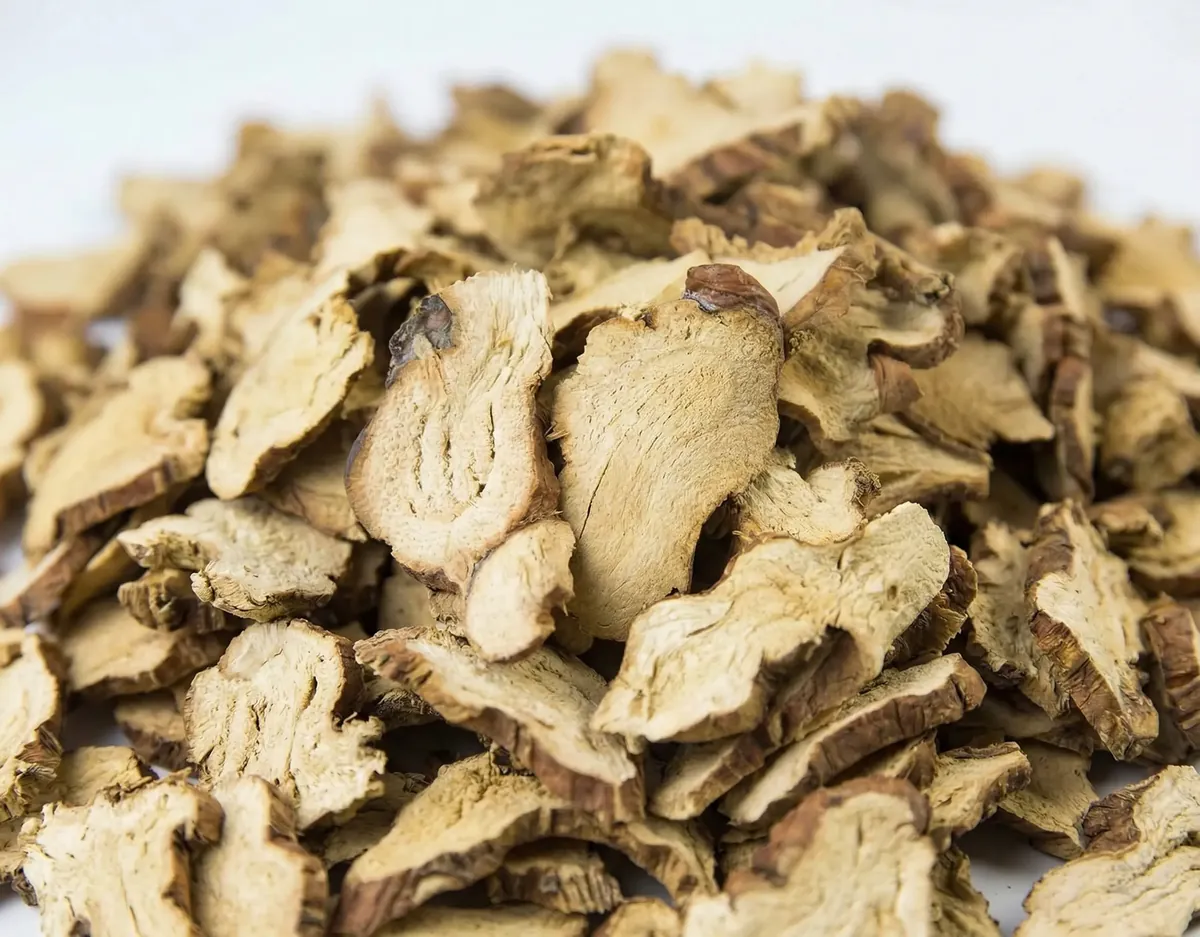
Dried galangal slices Lead Buyer-defined cut, sample-led Paste and seasoning manufacturing at volume; buyers assess by eye and know the material well.
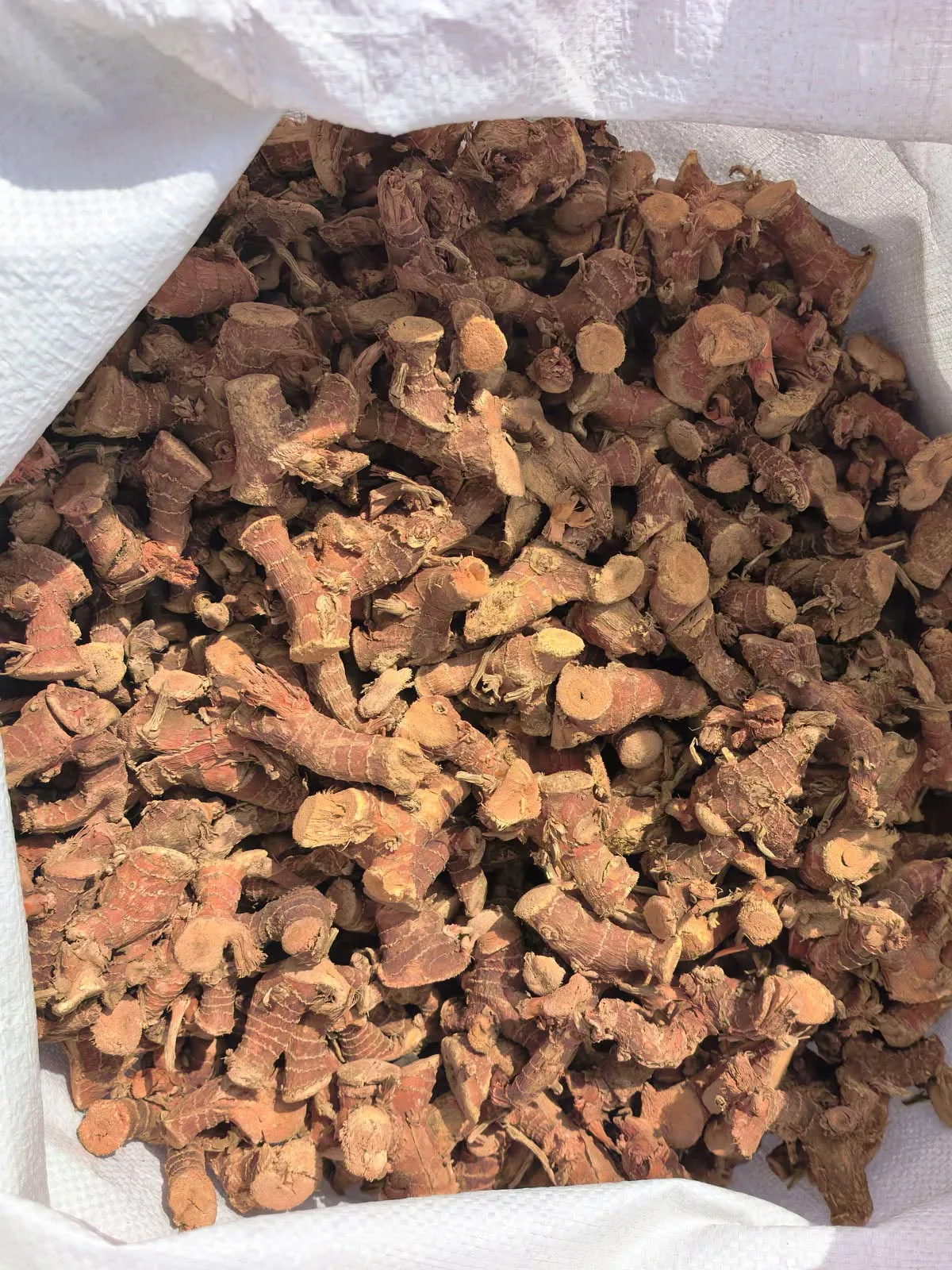
Dried galangal whole & chunk Secondary Written piece definition Grinders and repackers supplying the wholesale and retail channel.

The short route makes smaller, more frequent shipments viable here — say what frequency actually suits you rather than sizing an order to fill a container.

Both products in detail

Halal, and what else applies at the border

Halal — where we stand today

Halal certification is not something we hold today. In Malaysia this carries more weight than in most markets: certification is well established here, buyers supplying the retail and manufacturing channels frequently require it, and recognition arrangements are taken seriously.

The technical point — that for a rhizome this is about handling and segregation rather than the material — is true and settles nothing. Where the certificate is a condition of listing, an explanation of why it should not be needed is not a substitute for having it. If certified Halal is mandatory for your channel, we are not the right supplier for that channel today, and it is cheaper to know now than after a sample round.

Food import control

Food safety and import requirements apply with documentation and any registration obligations confirmed per consignment. None of it is unusual; what is unusual on this route is how little else has to be explained, which is why the permit timing below tends to be the only thing standing between an agreed specification and a booking.

The shortest route we run, and what that does to the margins

A short sea leg is usually described as a saving on freight. The more useful effect is on tolerance: less time in the box means less opportunity for moisture to move, so a figure agreed at loading and a figure measured at arrival sit closer together here than anywhere else on this list.

That makes it a reasonable market in which to run a first shipment against a tight specification, because fewer variables sit between the two measurements. It also means a result that does drift on this route is telling you something about the lot rather than about the voyage.

Plant quarantine, and a permit on your side

Plant quarantine applies on arrival and a phytosanitary certificate accompanies the goods, with the conditions attached confirmed shipment by shipment rather than assumed from the last one. An import permit issued to the importer applies to plants, plant products, and regulated articles entering Peninsular Malaysia.

The short route makes it tempting to treat a Malaysian shipment as a simple one. The sailing is simple; the permit is the part that sets your earliest date, so start it before you fix a delivery week with us.

Route and packing

Port of discharge

Port Klang for Peninsular Malaysia; Penang where the buyer sits in the north. East Malaysia is served separately and adds a leg worth planning for.

Transit

Tanjung Priok to Port Klang — the shortest route in our destination list, stated in the quotation for the booking offered.

Smaller, more frequent

Short transit makes part-container and monthly shipments economic here. That reduces your working capital tied up in stock and shortens the gap between a quality question and its answer.

Humidity at both ends

Origin and destination share a climate, which removes the condensation risk that drives packing decisions on long northern routes. Moisture targets can be set against use rather than against transit survival.

Terminology and commercial norms

Malaysia and Indonesia share the word: lengkuas means the same rhizome in both, and buyers here will use it in preference to galangal in conversation even where documents run in English. That shared vocabulary is a small advantage worth using — an enquiry answered in the buyer's own terms signals origin familiarity that a supplier from another country cannot claim.

Commercially, T/T is standard and terms tend to be settled quickly because the route and the relationship are both short. Expect direct negotiation and a preference for repeat arrangements over one-off shipments. Regional proximity also means your buyer may know our other customers — which is a reason to be straightforward rather than a reason for concern.

How a first order into Malaysia is de-risked

  1. Sample first

    Approve a physical sample before any container commitment. The approved sample becomes the acceptance reference.

  2. Written specification

    Format, tolerances, packing, and documents recorded before production. No verbal promises.

  3. Start small

    Trial quantities and mixed loads are reviewed before quotation — you are not forced into full-container risk.

Questions from Malaysian buyers

Do we need to see a Halal certificate before we can list you?

Not currently. In this market that matters more than in most, because certification is well established and many channels require it. For a plant-derived product it concerns handling and cross-contamination controls rather than the material, but the requirement stands where your channel asks for it.

Does an Indonesian Halal certificate carry any weight here, or do we start again?

This is worth asking your own certifier rather than taking from a supplier website, because it is the kind of arrangement that changes. There is a cooperation framework between the Indonesian and Malaysian halal authorities intended to allow recognition of certificates issued at origin, and where it applies to a product category it removes a duplicate certification step. What we will not do is assert that it covers dried spice until you have confirmed that it does.

The route is short. Does that change the moisture specification?

It changes the margin rather than the target. A shorter voyage means less time in changing humidity, so a figure that would be marginal on a European route has more room here. That is a reason to be precise rather than a reason to relax — tell us your storage conditions on arrival and the specification is set against the whole journey, not just the sea leg.

Can we order monthly rather than by the container?

Yes, and this is the market where it makes most sense. The sea leg from Tanjung Priok to Port Klang is the shortest in our destination list, so smaller and more frequent shipments stay economic. Tell us the frequency that suits your production rather than one sized to fill a container.

We already know what good lengkuas looks like. Why the written specification?

Because knowing and recording are different things, and the second one is what protects you when the person who knows is not the person receiving the delivery. You approve a sample as usual; the specification simply writes down what you approved so it can be checked by anyone on your team.

Request a quotation basis for Malaysia

Destination is pre-filled. Include the order frequency that suits your production, and whether your channel requires Halal certification.

Complete briefs receive a substantive reply from the export desk — not an autoresponder. Incomplete enquiries receive clarifying questions the same day.

Opens WhatsApp with your brief filled in. Nothing is stored on this site.

WhatsApp