Market notes

Indonesia Galangal Dried Supplier for Oman

The only destination on this list whose main ports are reached without entering the Gulf at all. That is a geographic fact rather than a selling point, but it changes why a buyer picks this gateway and what they need from the paperwork.

Short answer: Before quoting galangal for Oman, align application, format, physical tolerances, moisture, packing, quantity, arrival point, documents, and Incoterm. Salalah and Sohar are reached without entering the Strait of Hormuz, so the gateway is sometimes chosen for the route rather than for the market.

Who buys what, and why it differs here

The domestic market is modest and there is no reason to present it otherwise. Demand for an ingredient like this comes from food importers supplying a substantial expatriate population, from the hospitality trade, and from repackers serving retail. On volume alone this would be one of the smaller destinations we ship to.

What makes it worth its own page is where the ports sit. Salalah and Sohar are on the Arabian Sea rather than inside the Gulf, so a vessel calling there has not passed through the Strait of Hormuz — and Salalah in particular sits on a main east-west trunk route, which means it can be called directly rather than served by feeder from a hub further in.

The consequence is that this gateway is sometimes selected for the route rather than for the market. A buyer may be here because the leg suits them, with the material moving on afterwards, and that is a different starting point from a buyer who is here because this is where the material will be used. Both are normal. They ask for different things, and it is worth knowing which conversation we are in.

Product fit for this market

Relevance by product — Oman
Product Relevance here Suggested grade / format Note
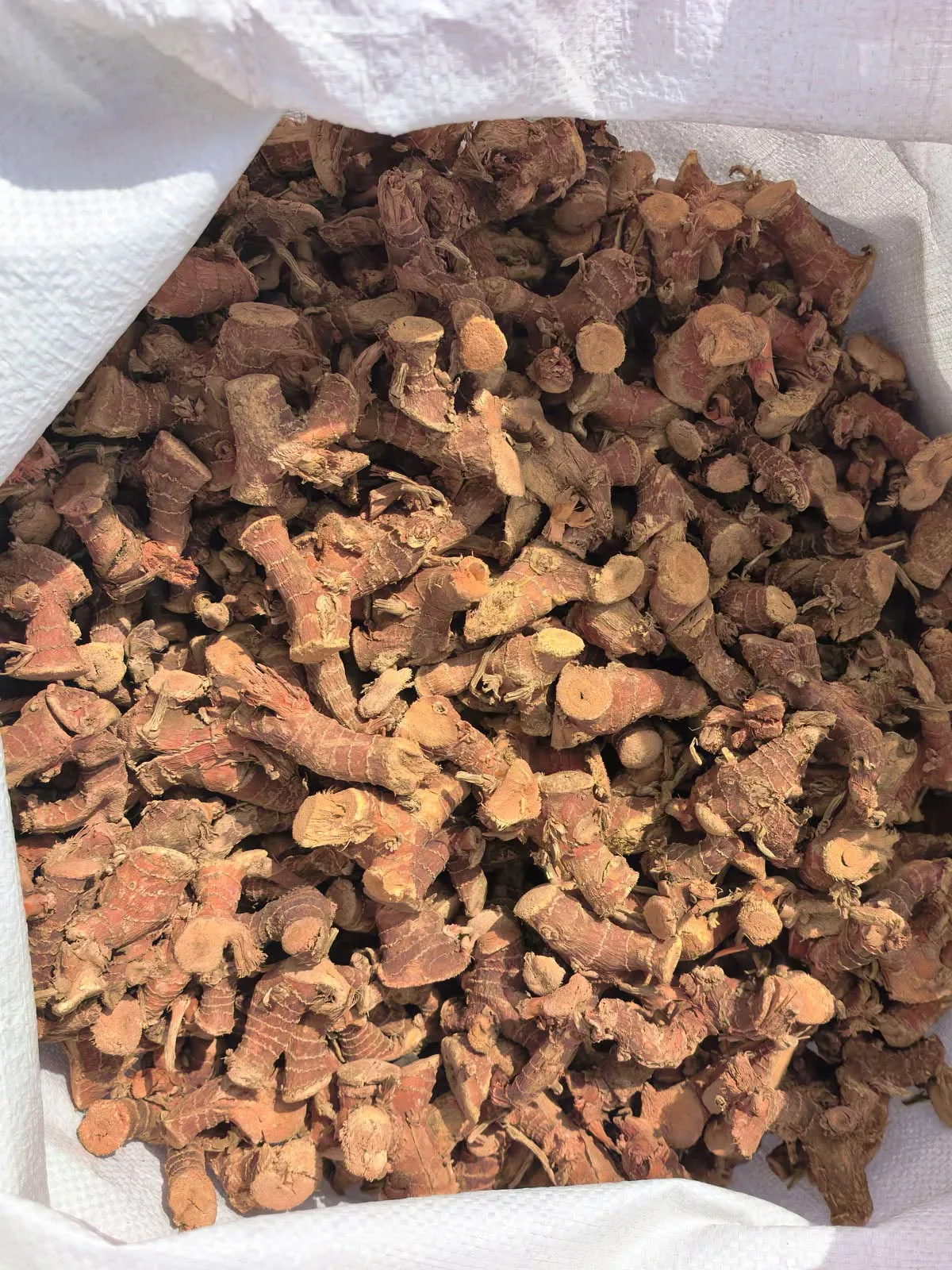
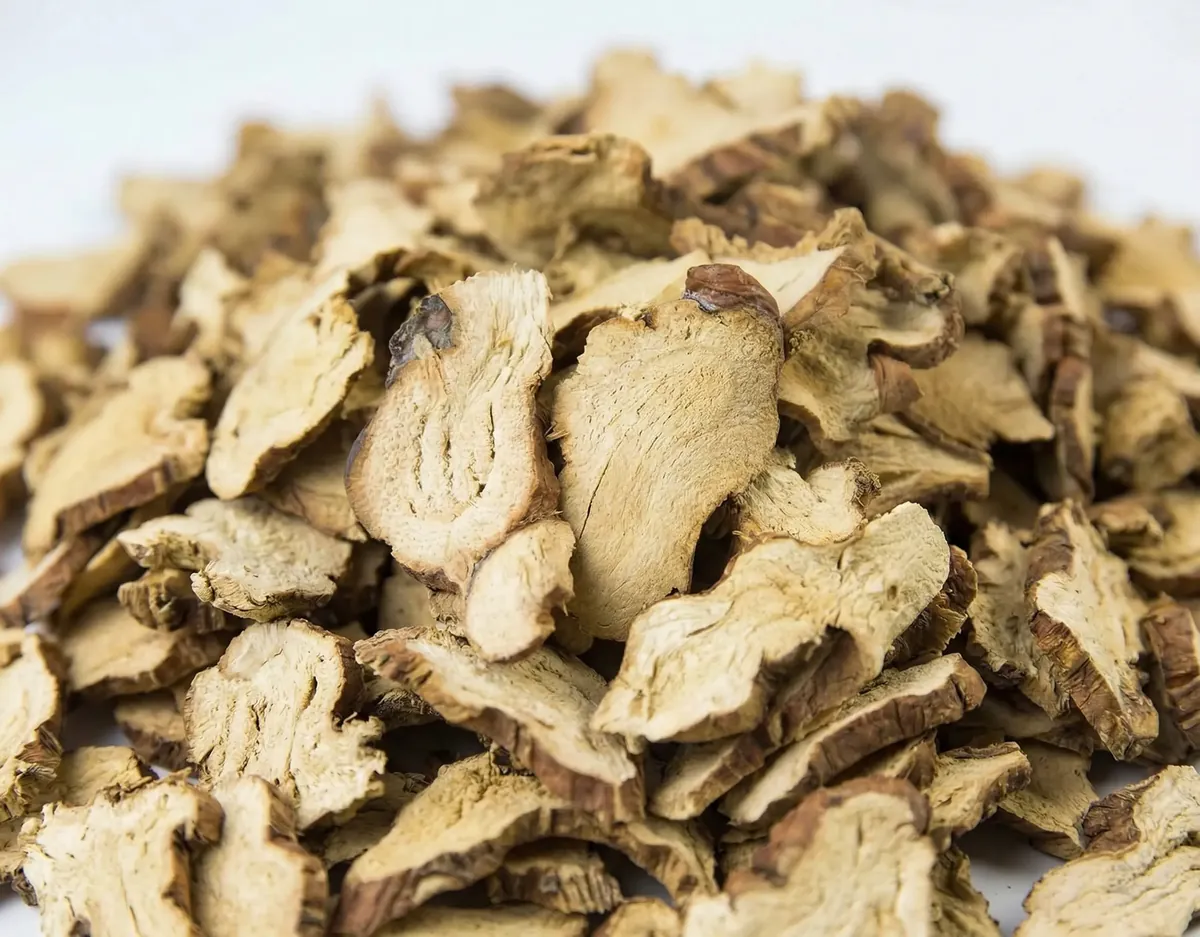
Dried galangal slices Lead Buyer-defined cut, sample-led Food importers and hospitality supply, plus repackers serving retail.
Dried galangal whole & chunk On request Written piece definition Where a buyer reduces in-house or repacks for a trade channel.

Order sizes here follow a small domestic market. Part-container and consolidated shipments are the normal case rather than a concession.

Both products in detail

A gateway chosen for the route, and where Halal stands

The regulatory position is the Gulf one, and it is not what distinguishes this market

Food import control, documentation and labelling requirements, and a phytosanitary certificate confirmed per consignment apply here much as at the other Gulf destinations on this list, where those pages set the position out in full. What follows is what those pages do not cover.

Two buyers who need the same material and different paperwork

If the material is being imported to be used here, the document set is the ordinary one and the conversation is about specification and schedule. If it is landing here as part of a routing and moving on afterwards, the requirement that governs is the one at the place it eventually enters — and a document set assembled for entry here may not answer it.

The distinction is easy to overlook because both start identically: the same enquiry, the same port, the same material. It is worth asking directly at the first exchange rather than inferring, because certificates generally cannot be added once a consignment has moved.

What a direct call is actually worth

Where a port sits on a main line rather than at the end of a feeder leg, a consignment changes hands fewer times, and each transfer is an opportunity for a delay that nobody owns and for handling nobody records. The saving is not principally in days. It is in the number of parties between us and the buyer who could affect the condition of the cargo without either of us finding out.

That said, a direct service is only an advantage on the sailing that actually offers one. We quote the routing being booked rather than the best routing available in principle, because a theoretical direct call and a transhipped booking are not the same journey even between the same two ports.

Small orders, and why the specification is not scaled down with them

Part-container quantities are normal here, and they attract the same specification work as a full load. That is not thoroughness for its own sake: a small consignment held for a documentary question is held exactly as long as a large one, and the cost of that delay falls on fewer kilos.

It also means a first order here can be genuinely small without being treated as unserious. We would rather specify one pallet properly than ship twenty against a description.

Halal — where we stand today

We do not currently hold Halal certification. For a rhizome this concerns handling and segregation rather than the material itself, but that reasoning does not travel well: where a certificate is asked for, an explanation of why it should not be needed is not a substitute for it.

This matters twice over on a route where material may move on. A requirement can come from your own channel or from a market further along that we never deal with — and the second kind is the one you can identify and we cannot.

Route and packing to Sohar

Port of discharge

Sohar serves the north of the country and the Muscat area; Salalah serves the south and is the more likely call where a consignment is moving on. The two are far apart by road, so the choice is an inland cost decision as much as a shipping one.

Transit

Tanjung Priok to Sohar and to Salalah, stated in the quotation for the booking offered. A direct call and a transhipped routing differ enough that we quote the one actually booked.

Part-container shipments

Consolidated and part-container loads are the ordinary case on this route. Tell us the quantity you actually need rather than rounding up to a container — the packing brief changes with the load type, and a rounded-up first order is a slower way to find out whether the specification is right.

Heat and storage

Ambient storage runs well above what a temperate packing specification assumes, and material that continues by road to the other end of the country spends longer in it. Tell us the expected storage window and the destination within the country, and both go into the moisture target rather than being discovered later.

Marking for a consignment that may move on

Where material continues past this market, lot identity has to be legible on the inner packs and not only on the outer, because the party who eventually opens it may never have seen the shipping documents. It costs nothing at production and cannot be added afterwards.

Terminology and commercial norms

Trade runs in English with Arabic-language documentation at the customs stage, and Alpinia galanga settles which rhizome is meant where a description is ambiguous. Enquiries frequently arrive from trading houses rather than end users, which is worth noting for one practical reason: the party writing to us may not be the party that will open the bag, so a specification agreed in writing carries further here than an understanding reached in conversation.

Commercial practice follows the wider Gulf pattern. What differs is scale rather than structure — smaller lots, more frequent bookings, and a stronger preference for arrangements that survive a change of sailing without being renegotiated.

How a first order into Oman is de-risked

  1. Sample first

    Approve a physical sample before any container commitment. The approved sample becomes the acceptance reference.

  2. Written specification

    Format, tolerances, packing, and documents recorded before production. No verbal promises.

  3. Start small

    Trial quantities and mixed loads are reviewed before quotation — you are not forced into full-container risk.

Questions from Omani buyers

We are landing here but the material moves on afterwards. What changes?

The requirement that governs is the one where the goods eventually enter, not the one here, so tell us the onward market at the first exchange. A document set assembled for entry here may not answer it, and certificates generally cannot be added once cargo has moved.

Sohar or Salalah — does the choice affect the specification?

No, but it affects the cost. The two are far apart by road, so the discharge port is an inland cost decision. Salalah is the more likely call where a consignment is continuing; Sohar suits material staying in the north.

Is a part-container order worth your attention?

Yes, and it is the normal case here. A small consignment gets the same specification work as a full load, because a small lot held for a documentary question is held just as long and the delay costs more per kilo.

Can you guarantee a direct sailing rather than transhipment?

We quote the routing actually being booked rather than the best one available in principle. Where a direct call is offered we will say so; where it is not, we would rather price the transhipped journey honestly than describe a service we cannot secure.

Who is likely to ask us for a Halal certificate on this route?

Possibly your own channel, and possibly a market further along that we never deal with — the second is the one you can identify and we cannot. Either way we do not hold Halal certification today, and where a certificate is asked for, an explanation of why a rhizome should not need one is not a substitute for it.

Request a quotation basis for Oman

Destination is pre-filled — change it to Salalah if that serves you better. If the material continues past Oman, say where, because that decides the document set.

Complete briefs receive a substantive reply from the export desk — not an autoresponder. Incomplete enquiries receive clarifying questions the same day.

Opens WhatsApp with your brief filled in. Nothing is stored on this site.

WhatsApp