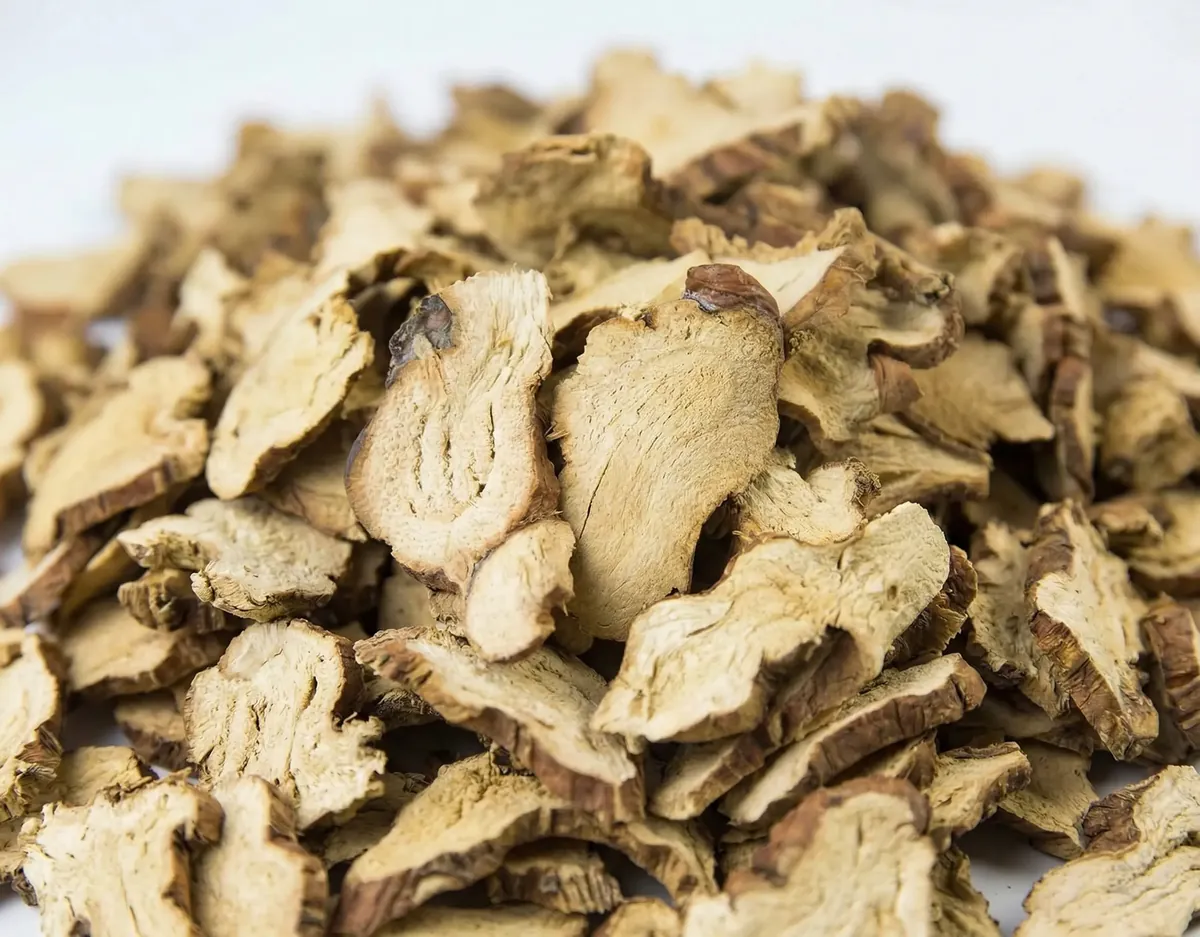
Dried galangal slices
- Cut
- Buyer-defined
- Basis
- Approved sample
Market notes
A large share of what lands here was never meant to stay. When the buyer is a trading house, the requirements that bind the shipment belong to a country that may not have been named yet.
Short answer: Galangal buyers serving Singapore should confirm use, format, cut or piece range, moisture, packing, volume, destination, documents, and trade term. A trading hub, so the requirements that bind often belong to a country further down the line.
Singapore consumes a small fraction of what passes through it. Much of the trade in both our categories runs through houses that buy to redistribute across the region and beyond, and a container can change owner without ever being opened. That inverts the usual sourcing question: the specification is not written for the party paying the invoice, it is written for whoever finally uses the material.
There is genuine local consumption as well, and it is worth separating from the trading flow because it behaves differently. Food service and retail here buy in quantities a manufacturer would call small, but on a short and regular cycle — which the sea leg from Indonesia makes economic in a way it is not for distant markets.
Galangal, by contrast, needs no introduction. Peranakan, Malay, and Thai cooking all use it, the wholesale trade knows it as lengkuas, and buyers can judge material by eye. What is demanding here is not the product knowledge but the standard of evidence: channels supplying food service and retail expect documentation presented once, complete, without a second round of asking.
| Product | Relevance here | Suggested grade / format | Note |
|---|---|---|---|
| Dried galangal slices | Lead | Buyer-defined cut, sample-led | A familiar ingredient across several local cuisines; food service and wholesale channels. |
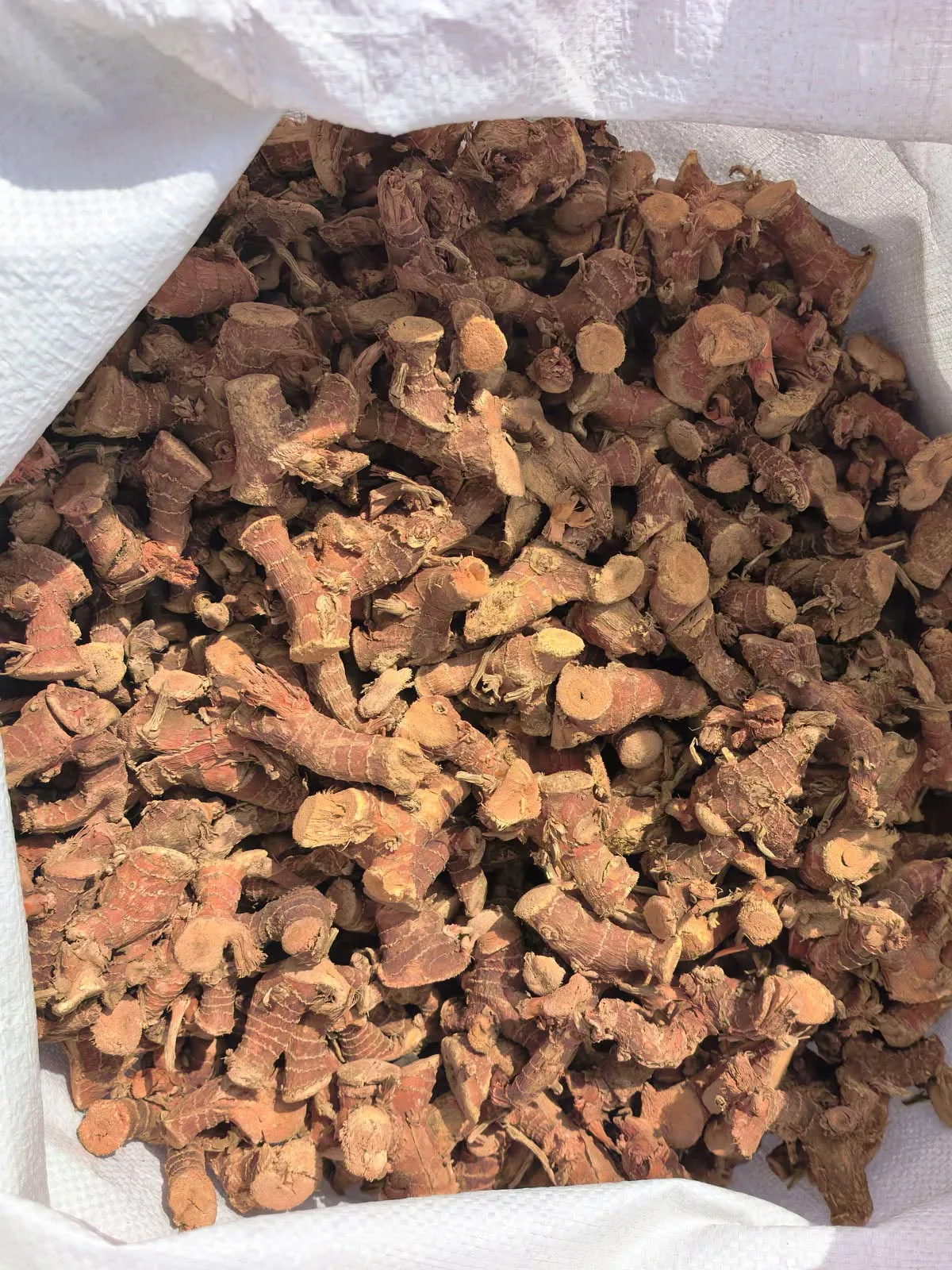
| Dried galangal whole & chunk | Secondary | Written piece definition | Repackers and trading houses redistributing across the region. |
If the goods move on, name the eventual market at enquiry. That decides the document set — the port of discharge does not.
Both products in detail
Food consignments fall under Singapore's food import regime, with registration and documentation obligations sitting largely on the importer. Plant health control applies on arrival, with a phytosanitary certificate accompanying the goods under conditions confirmed at the time of shipment.
We are not a Halal-certified supplier today. That carries particular weight here, because certification issued in Singapore is treated as a regional reference point — a trader buying to redistribute may need it for their onward customers even where their own channel never asks.
Because the material is plant-derived, what certification actually examines is handling and segregation rather than the rhizome itself. That does not make the requirement smaller where your channel imposes it. Tell us at enquiry and we will say directly that we cannot serve that line today.
Where goods are forwarded intact, nobody between us and the final market inspects the contents. The pack that leaves our warehouse is the pack the eventual buyer opens, and any handling instruction that depends on someone checking along the way has nowhere to be acted on.
In practice that argues for marking that works without context — lot identity on the inner packs and not only the outer, and a description that is legible to a party who never saw the order. It costs nothing at production and cannot be retrofitted once the box has moved on.
There are really two separate things a buyer here needs settled, and they are often run together. The first is what Singapore requires in order for the goods to arrive and be handled. The second is what the eventual destination requires, which is the one that governs the specification and the document set.
Keeping them apart matters because the answers can differ substantially, and because satisfying the first tells you almost nothing about the second. When a final market is genuinely undecided, it is better to say so than to assume the position will be straightforward to fix later.
Transhipment is the ordinary case in this market rather than the exception, so we treat the named final market as the governing one from the first message. Where that market is genuinely undecided, we will set out which documents can still be issued later and which cannot — the second list is the short one, and it is the one that constrains your options.
Singapore. Alongside Port Klang this is among the shortest sea legs we run, which makes part-container and frequent shipments economic in a way they are not for distant destinations.
Tanjung Priok to Singapore, stated in the quotation for the booking offered.
Cargo that is transhipped is handled more times than cargo on a direct port pair. Where an onward leg is expected, strapping and unit integrity are specified for the number of moves rather than for the sea passage alone.
Origin and destination share a climate, so condensation is not what drives packing decisions here. What does is how long material may sit before moving on. Tell us the expected holding period and moisture targets are set against it.
Business runs in English and documents follow international trade terms, but the product vocabulary is local: lengkuas in the wet market and the Malay-language trade, galangal on the invoice, and both understood without explanation. A supplier who uses the local word where it belongs and the trade word where it belongs reads as familiar with the market rather than as translating into it.
Commercially, T/T is standard and letters of credit appear with the larger trading houses. Running several origins at once is the business model here rather than a negotiating posture, so being compared is not a signal of distrust — but it does mean a quotation that leaves its assumptions unstated will be read against ones that do not.
Approve a physical sample before any container commitment. The approved sample becomes the acceptance reference.
Format, tolerances, packing, and documents recorded before production. No verbal promises.
Trial quantities and mixed loads are reviewed before quotation — you are not forced into full-container risk.
The eventual destination, as early as you can give it. Certificates are issued against a named market and most cannot be added once the container has sailed, so a shipment documented only for entry here can strand your onward sale. If the destination is still open, tell us the two or three candidates and we will scope the documents to cover them.
No, and in this market that is worth knowing before a sample round rather than after. Certification here functions as a regional reference, so it can be required by your onward customers even when your own channel does not ask for it.
Yes, and the route is the reason. The sea leg here is short enough that part-container and repeat shipments stay economic, so a vertical farm ordering modest quantities on a regular cycle is a workable customer rather than an exception we tolerate. Tell us the cycle you want and we quote against it.
Destination is pre-filled. Say whether the goods stay in Singapore or move on, and to where if you know it.
Complete briefs receive a substantive reply from the export desk — not an autoresponder. Incomplete enquiries receive clarifying questions the same day.