Market notes

Indonesia Galangal Dried Supplier for Southeast Europe

Buyers here often cover Romania, Bulgaria, Croatia, and Serbia from one commercial operation — but not from one customs position. The frontier that matters sits inside the territory they serve.

Short answer: For dried galangal in Southeast Europe, define application, format, physical tolerances, moisture, packing, quantity, destination, documents, and Incoterm. One commercial region split across two customs positions, so a distributor covering it needs both.

Who buys what, and why it differs here

Buyers are food manufacturers producing seasonings and prepared foods, importers supplying retail, and distributors covering several neighbouring markets from one commercial base. The manufacturing side is substantial and growing, much of it producing for customers further west.

What is distinctive is not the demand but the boundary running through it. Romania, Bulgaria, and Croatia are inside the European customs union; Serbia and several of its neighbours are not. A distributor covering the area therefore operates on both sides of a real frontier — inside their own trading territory rather than at its edge.

That is a middle case we do not meet elsewhere. Where a region is entirely inside a customs union, one stock point serves it. Where a region is entirely outside, each market is imported separately. Here a buyer does both at once, and the useful question is which side a given consignment is being landed on.

Product fit for this market

Relevance by product — Southeast Europe
Product Relevance here Suggested grade / format Note
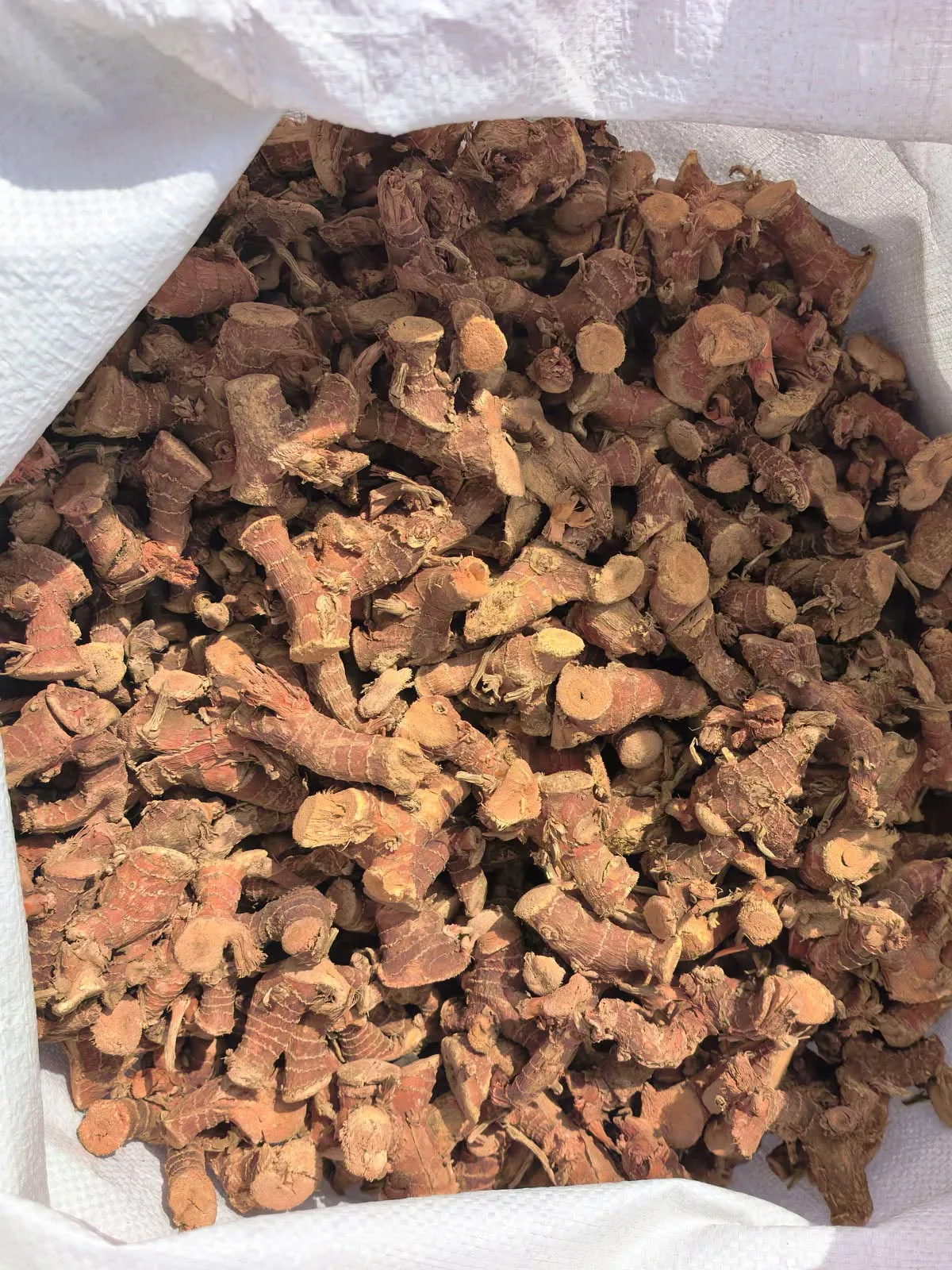
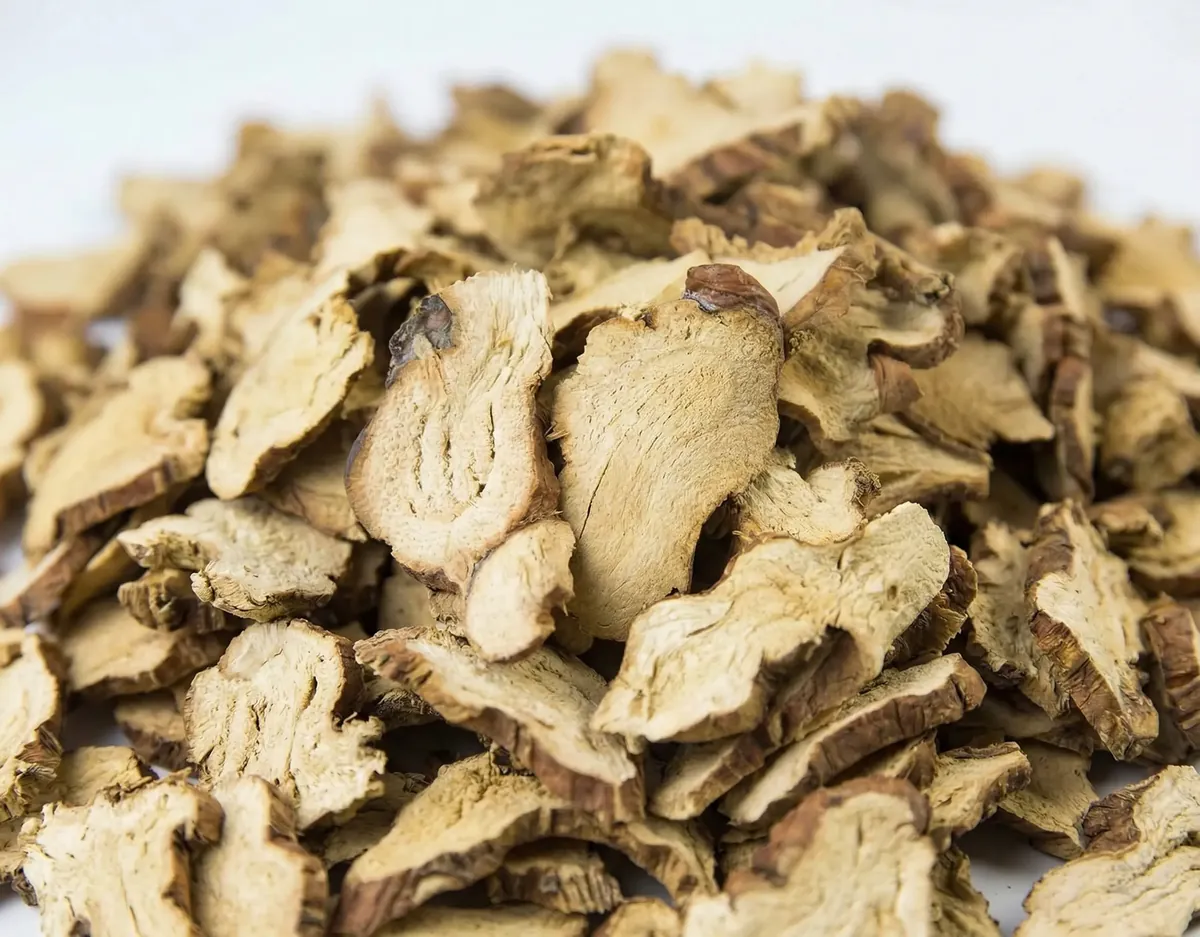
Dried galangal slices Lead Buyer-defined cut, sample-led Manufacturers producing for domestic retail and for customers further west, plus regional distributors.
Dried galangal whole & chunk On request Written piece definition Where a buyer grinds in-house or repacks for the wholesale trade.

Say at enquiry which side of the customs boundary a consignment lands on. It changes the document set without changing the material.

Both products in detail

One region, two customs positions

The European part, briefly

For the markets inside the union, entry conditions are the EU ones with a phytosanitary certificate per consignment, enforced nationally. That position is set out at length on our other European pages and it is not what makes this region its own case.

What the internal frontier actually costs

Where material cleared inside the union then moves to a market outside it, that movement is an export followed by an import — with the formalities, the timing, and the documentation that implies. It is entirely routine, and it is also the step most likely to be underestimated when a buyer describes their territory as one region.

The practical consequence for us is narrow: a consignment intended to be split across the boundary needs a document set that supports both halves, and lot identity that survives being divided. Both are decided before production rather than at the warehouse.

Landing on the right side in the first place

Often the cheaper answer is not to split at all. Where a meaningful share of volume is destined for the non-union side, importing that portion directly there — rather than landing everything inside the union and re-exporting — removes a whole step. That is your calculation rather than ours, but it is worth doing deliberately.

What we can do either way is quote per landing point rather than per region, so the two options can be compared honestly instead of one being assumed.

Sea entry from two directions

The region is reached from the Black Sea on one side and the Adriatic on the other, and the inland leg from each is materially different depending on where the buyer sits. A transit figure quoted for one approach says very little about the other, so we quote the routing actually booked.

Manufacturing for customers further west

A good deal of what is produced here is sold on into larger European markets, which means the specification binding an ingredient is often written by a customer in another country. That is the same pattern set out on our Poland page and it applies here too — worth naming at enquiry, because it usually sets a stricter figure than the market of manufacture would.

Route and packing to Constanta or Koper

Port of discharge

Black Sea and Adriatic approaches both serve this region, and a share of cargo also arrives via a northern European hub with a longer inland leg. The choice follows the buyer's location and the customs side, not the destination country alone.

Transit

Tanjung Priok to the named discharge port, stated in the quotation for the booking offered, with the inland leg included where it is significant.

Consignments split across the boundary

Where one shipment feeds both sides, the document set has to support the onward export as well as the first import, and lot identity has to survive division. Both are specified before production rather than arranged at the warehouse.

Quoting per landing point

We quote each landing point separately so that importing directly into the non-union side can be compared against landing everything inside the union and moving it on. The two are rarely the same cost.

Moisture across a cooler arrival

The routing ends cooler than it starts and the condensation risk sits at that transition rather than in steady heat. Liner and ventilation are agreed against the routing actually booked.

Terminology and commercial norms

Enquiries arrive in English and specifications are usually written in it, with local languages appearing at the consumer-labelling stage rather than in trade documents. The botanical name Alpinia galanga is what keeps a description stable where the same lot may be described to authorities on two sides of a frontier.

Commercially the pattern is European and unremarkable. What is worth raising in the first message is the customs position of each market you serve, because it decides the document set and whether one shipment or two is the sensible structure.

How a first order into Southeast Europe is de-risked

  1. Sample first

    Approve a physical sample before any container commitment. The approved sample becomes the acceptance reference.

  2. Written specification

    Format, tolerances, packing, and documents recorded before production. No verbal promises.

  3. Start small

    Trial quantities and mixed loads are reviewed before quotation — you are not forced into full-container risk.

Questions from Southeast European buyers

We cover both union and non-union markets. Can one shipment serve both?

It can, but the portion crossing the boundary is an export followed by an import with the formalities that implies. The document set has to support both halves and lot identity has to survive division — decided before production, not at the warehouse.

Would it be cheaper to import directly into the non-union side?

Often, where a meaningful share of volume is destined there. That is your calculation rather than ours, but we quote each landing point separately so the two options can be compared honestly instead of one being assumed.

Black Sea or Adriatic?

Whichever suits your location and your customs side. The inland legs differ materially and a transit figure for one approach says little about the other, so we quote the routing actually booked rather than a regional average.

Our finished product is sold further west. Does that change the specification?

Usually it tightens it, because the binding requirement is written by a customer in another country rather than by the market of manufacture. Name it at enquiry and the laboratory scope is set once against the strictest requirement in the chain.

Why one page for four markets?

Because the commercial situation they share — a customs boundary running through the territory a single buyer covers — is the thing worth explaining. Where one of these markets develops a requirement genuinely its own, it gets its own page rather than a share of this one.

Request a quotation basis for Southeast Europe

Destination is pre-filled — change it to the port you actually use. Tell us which markets you cover and their customs position, because that decides whether this is one shipment or two.

Complete briefs receive a substantive reply from the export desk — not an autoresponder. Incomplete enquiries receive clarifying questions the same day.

Opens WhatsApp with your brief filled in. Nothing is stored on this site.

WhatsApp