Market notes

Indonesia Galangal Dried Supplier for Sri Lanka

A spice-exporting country is not a closed market for every spice. The trade here is built on what grows here — and that says nothing at all about the ones that do not.

Short answer: Galangal buyers serving Sri Lanka should confirm use, format, cut or piece range, moisture, packing, volume, destination, documents, and trade term. Its trade is built on the spices it produces, and that reputation says nothing about the ones it does not — the line runs commodity by commodity.

Who buys what, and why it differs here

Enquiries come from spice processors, blenders, and packers — companies whose main business is preparing and exporting the spices grown on the island. They are experienced exporters, and they read a supplier the way exporters do.

The assumption worth discarding before the first message is that a spice-producing country has no reason to import spices. That holds for the crops grown here and it does not generalise. Protection, pricing, and buying interest all run commodity by commodity, and galangal is not among the crops this trade is built on.

That produces a buyer who is unusually easy to talk to on the commodity and unusually precise on the paperwork. They already know what a specification should contain, because they write them for their own customers every week.

Product fit for this market

Relevance by product — Sri Lanka
Product Relevance here Suggested grade / format Note
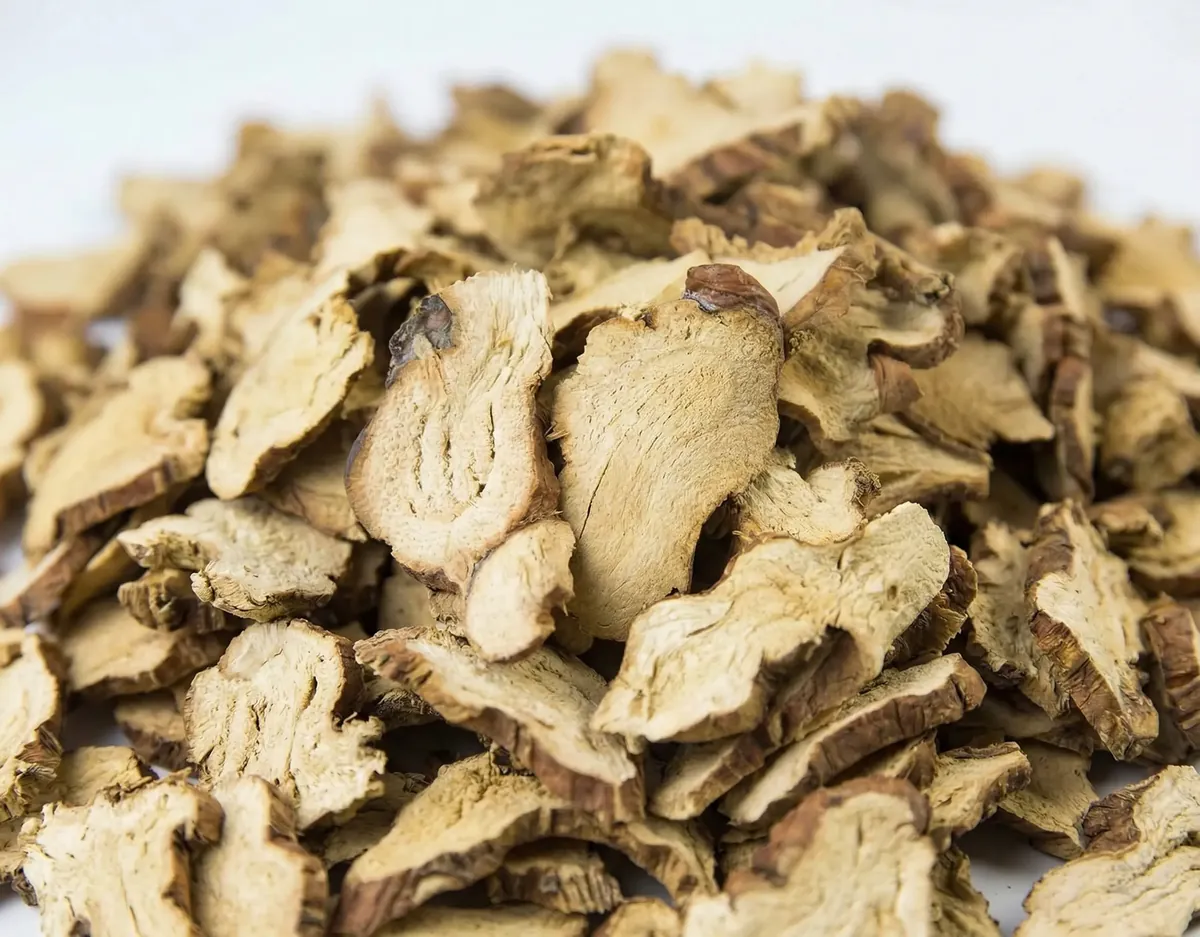
Dried galangal slices Lead Buyer-defined cut, sample-led Blenders and packers adding a component they do not grow to products they export.
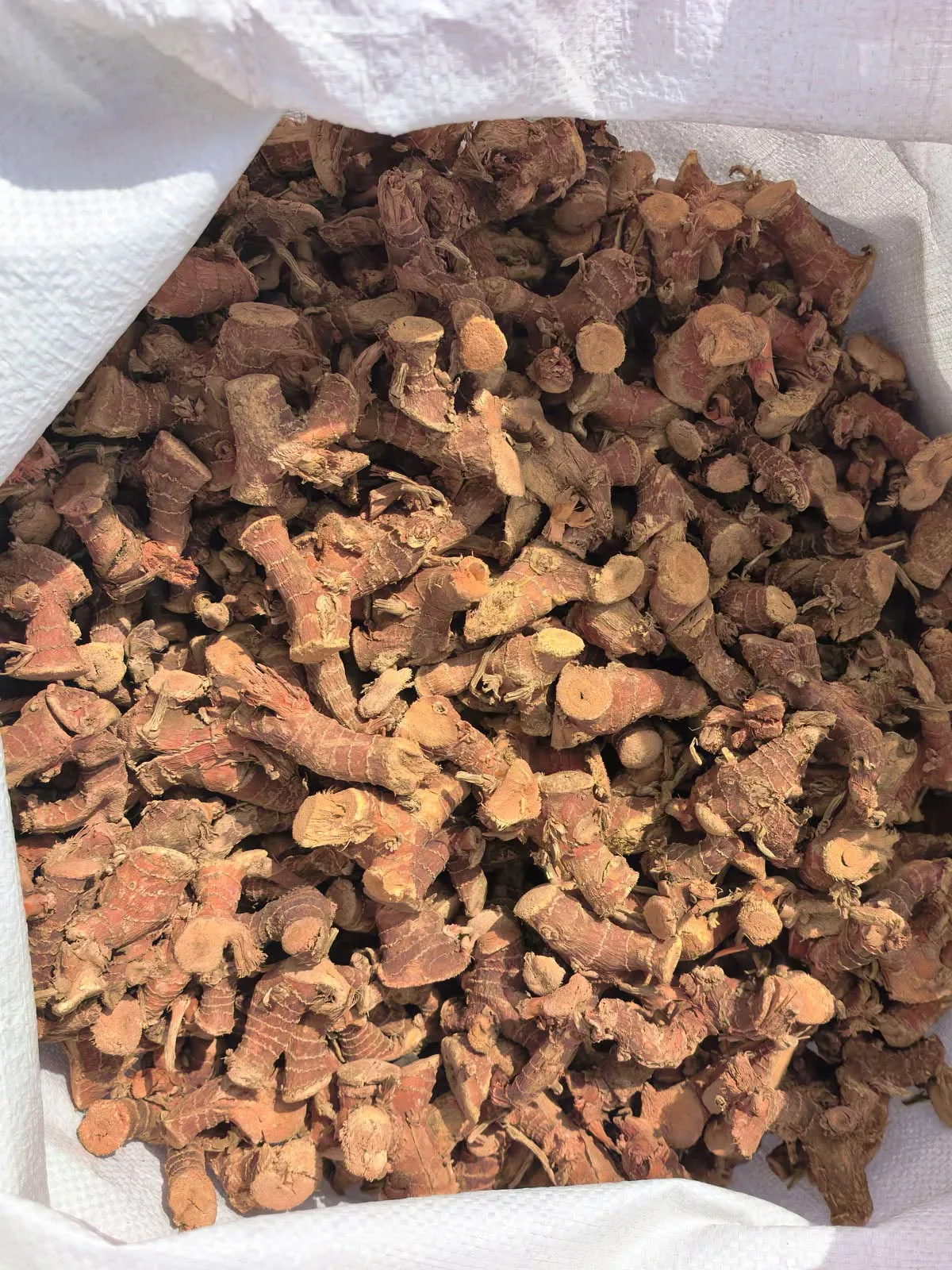
Dried galangal whole & chunk Secondary Written piece definition Where the buyer mills or cuts in-house to their own house standard.

The grade conversation here is short because the buyer knows the trade. The documentation conversation is longer, and it is about origin rather than about quality.

Both products in detail

Two origins inside one product

Entry conditions, briefly

Import of a dried plant commodity follows the ordinary pattern: a phytosanitary certificate per consignment and the standard export set with the goods. The local detail belongs to the buyer and their broker rather than to us, and we would rather ask than assume it.

What the buyer is actually building

Much of what leaves this country as a spice product carries the island as part of its commercial identity. When a blender adds a component grown somewhere else, that identity does not disappear — but it does have to be stated accurately, component by component, to whoever buys the finished product.

Our material is one of those components. That makes the useful question not what we can claim about it, but whether our paperwork lets the buyer keep two origins clearly apart in their own records without extra work.

Origin documentation that stays separable

In practice that means a certificate of origin covering exactly the lot shipped and nothing broader, lot identity that survives being drawn into a blending run, and figures recorded against the lot rather than against a typical production. A buyer who has to reconstruct which consignment went into which batch has been handed a problem rather than a document.

We also keep the description narrow. Where a document could be read as covering more than it does, we would rather issue a narrower one — a broad description is convenient until somebody downstream relies on it.

What we do not claim, and why it matters here

We make no statement about how the finished product should be described once our material is part of it. That declaration belongs to the company that makes and exports it, and it depends on rules and customer contracts we do not see.

Nor do we draw comparisons with the spices grown here. We supply a different commodity to a trade that knows its own crops far better than we do, and a supplier who arrives with opinions about that is answering a question nobody asked.

Why the enquiry usually moves quickly

Because both sides are speaking the same language about the commodity itself. Grade, cut, moisture, and foreign matter are ordinary vocabulary to an exporter, so the sample round tends to be short and the specification tends to be written properly the first time. What takes the time is the origin paperwork, and that is the part we can prepare before being asked.

Route and packing to Colombo

Port of discharge

Colombo. It is also a large transhipment point for the wider region, but that is a different business from the one on this page — where cargo is passed on unopened, the reasoning is on our Singapore page.

Transit

Short by the standards of most destinations we ship to, and quoted for the service actually booked.

Certificate of origin

Issued against the lot shipped, with a description kept deliberately narrow so it cannot be read as covering material it does not.

Lot identity into a blending run

Marked so the reference survives the point where the material stops being a consignment and becomes an input. That is where traceability is usually lost, and it is cheaper to prevent than to reconstruct.

Moisture on a short humid route

The sailing is short but both ends are humid, and the material may be stored before it is drawn into production. Liner and pack are specified against the holding period rather than against the voyage.

Terminology and commercial norms

Correspondence is in English and the trade vocabulary is the international one, which removes most of the friction that terminology causes elsewhere. We still anchor the specification to Alpinia galanga, because a document that will sit in a blend record has to identify the material without depending on who filed it.

Commercially the terms are ordinary export terms and the negotiation is brisk. The distinctive planning point is that the buyer is judging us on documentation discipline as much as on the material — not because they doubt it, but because their own customers judge them the same way.

How a first order into Sri Lanka is de-risked

  1. Sample first

    Approve a physical sample before any container commitment. The approved sample becomes the acceptance reference.

  2. Written specification

    Format, tolerances, packing, and documents recorded before production. No verbal promises.

  3. Start small

    Trial quantities and mixed loads are reviewed before quotation — you are not forced into full-container risk.

Questions from Sri Lankan buyers

We export spices ourselves. Why would we import one?

Because the two facts are unrelated. Your trade is built on the crops grown here, and galangal is not one of them at commercial scale. Buying interest runs commodity by commodity rather than by category, which is exactly why this route exists.

Our finished product is sold on its origin. Does adding an imported component complicate that?

It is a declaration question rather than a supply question, and it belongs to you. What we can do is make it easy: a certificate of origin covering exactly the lot shipped, a deliberately narrow description, and lot identity that survives a blending run.

Will you state anything about how we describe the finished product?

No — that is yours to declare, and it depends on rules and customer contracts we do not see. We document what we ship precisely so that your declaration has something solid to rest on.

How does your material compare with the spices grown here?

We would rather not answer that, and not out of modesty. It is a different commodity, and you know your own crops far better than we do. What we can be held to is the written specification for what we send.

The sailing is short. Does that relax the moisture specification?

Less than you would expect. The voyage is brief but both ends are humid and the material often waits before it is drawn into production, so we specify the liner and pack against the holding period rather than the transit.

Request a quotation basis for Sri Lanka

Destination is pre-filled. Tell us the cut you already work to and what your origin documentation has to show — those two answers cover almost everything we need on this route.

Complete briefs receive a substantive reply from the export desk — not an autoresponder. Incomplete enquiries receive clarifying questions the same day.

Opens WhatsApp with your brief filled in. Nothing is stored on this site.

WhatsApp