Market notes

Indonesia Galangal Dried Supplier for Suriname

Demand here is small, steady, and specific — and a buyer who loses their supply has nowhere obvious to turn. That makes reliability the thing being bought, and it puts the first question on our side of the table.

Short answer: A galangal enquiry for Suriname should state use, slices or whole/chunk, cut or piece tolerance, moisture, packing, volume, destination, documents, and trade term. A staple of a cuisine that carries its origin in its name, bought by a trade with nowhere else to turn if a shipment slips.

Who buys what, and why it differs here

Buyers are importers and wholesalers supplying grocers, market traders, and small caterers. There is no manufacturing tier of any size, and no processing step between the container and the household kitchen.

The material needs no introduction here. A cuisine identified as Javanese is part of the everyday food culture, and this is one of its ordinary ingredients rather than a speciality import. Nobody has to be persuaded what it is or what to do with it.

What follows from that is easy to miss. Demand is not large but it is weekly, and it is served by a small number of import lines. If one of them fails, the shortfall is not absorbed somewhere else in the market — it shows up on a shelf, and the people who cook with it notice within days.

Product fit for this market

Relevance by product — Suriname
Product Relevance here Suggested grade / format Note
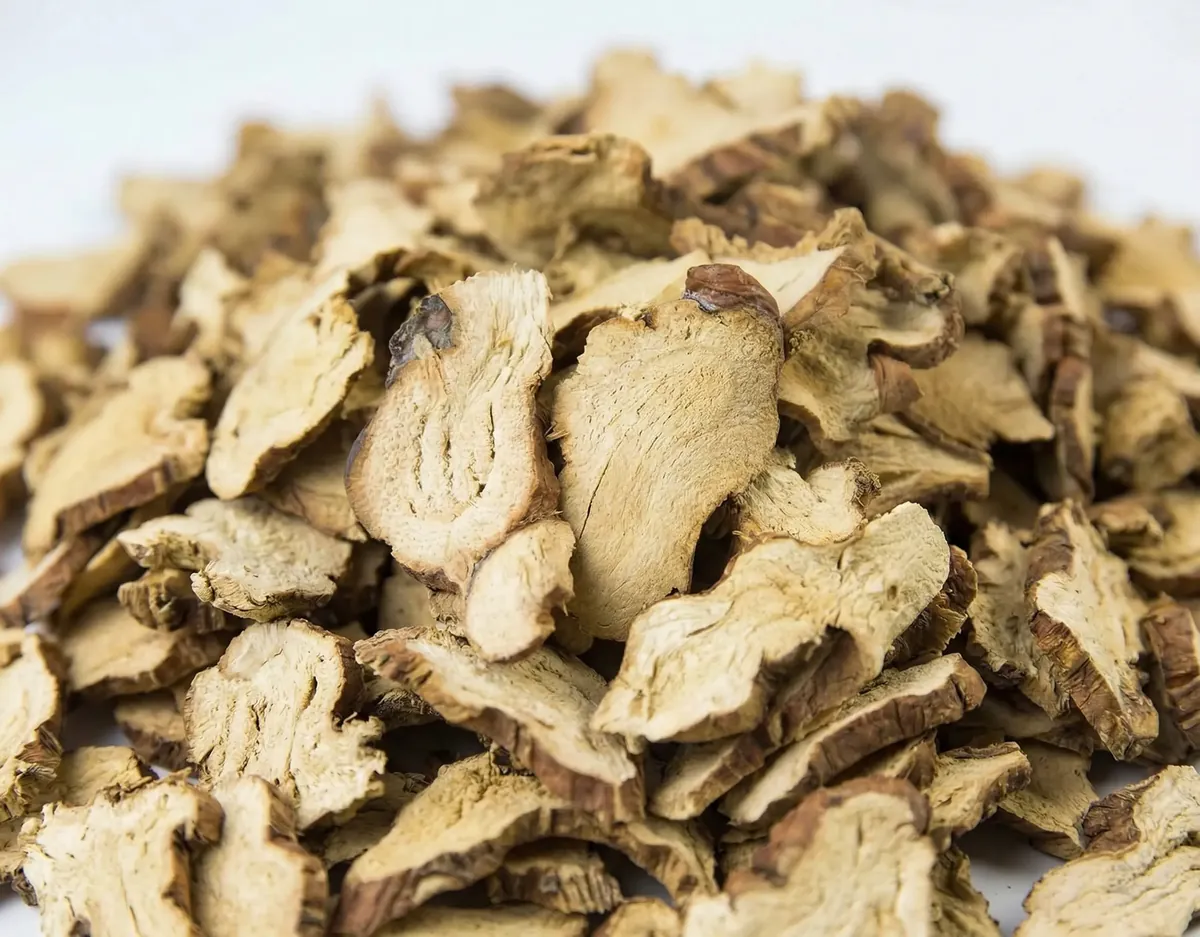
Dried galangal slices Lead Retail and market pack sizes Sold on to grocers and market traders for household cooking.
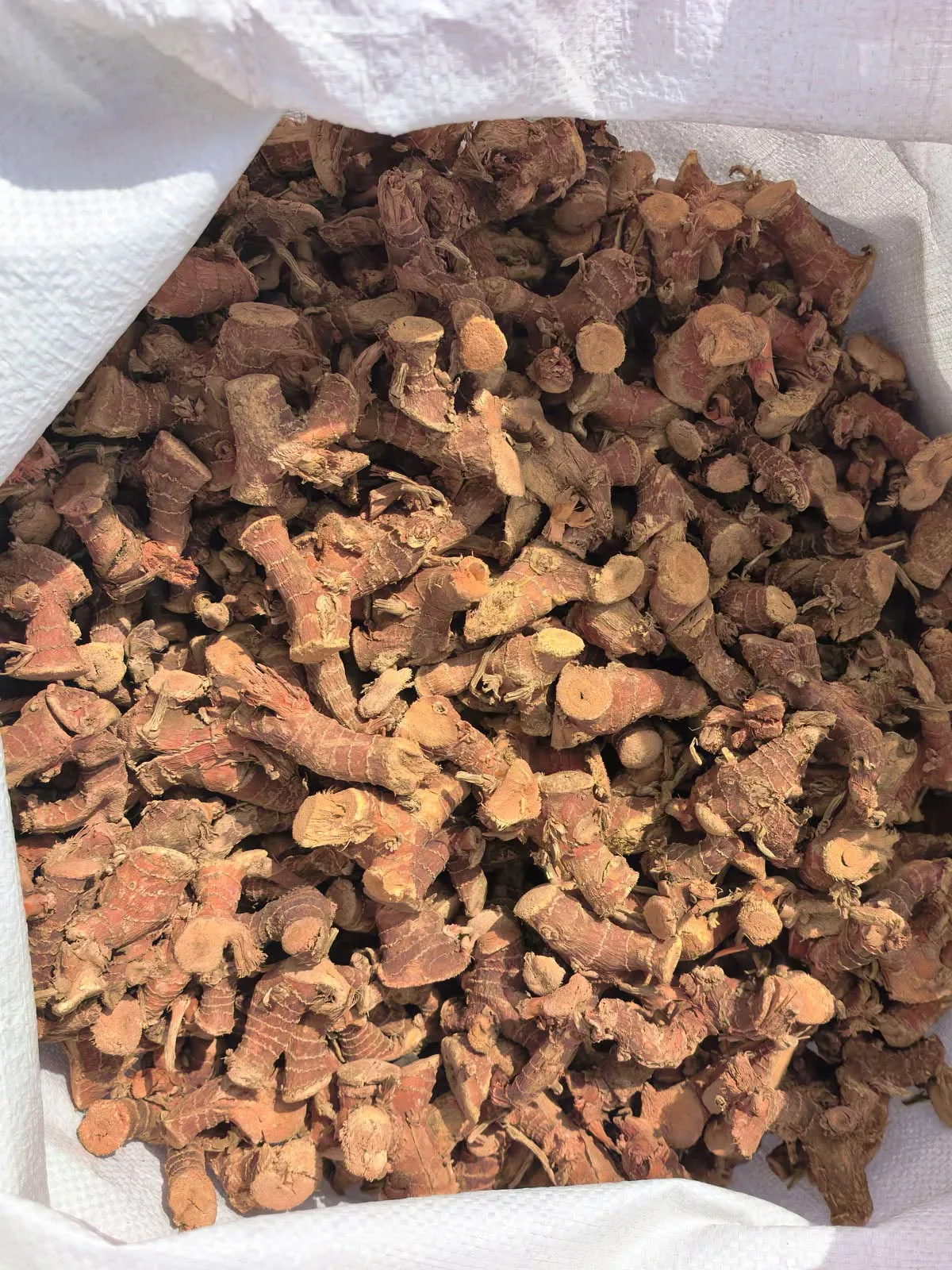
Dried galangal whole & chunk Secondary Written piece definition Where a wholesaler repacks or a caterer prefers to cut it.

The specification conversation on this route is short. The availability conversation is the one worth having properly, and it comes first.

Both products in detail

Being the only supplier is a responsibility, not an advantage

Entry conditions, briefly

A dried plant commodity with a phytosanitary certificate per consignment and the ordinary export set. The small-market feeder pattern — how cargo reaches destinations this size and what that does to scheduling — is described on our Central America and Caribbean page and applies here.

The question we ask before quoting

Not what quantity, and not what price. Whether the buyer expects this to be a repeating line, and if so at roughly what interval. On a route where we may be the only source, an order we can fill once and not again is worse for the buyer than an order we decline.

We would rather establish that in the first exchange than discover it after a buyer has built a shelf position around us.

Why consistency outranks quality here

A cook using this every week is calibrated to what they have been buying. A better lot changes their result as surely as a worse one does, and they have no reason to assume the change was an improvement. So the target is the same material each time, at a tolerance we can actually hold, rather than the best material a given harvest allows.

What small orders should not mean

They should not mean a thinner specification. A modest shipment carries the same written tolerances, the same per-lot figures, and the same document set as a large one — partly because it costs us little to do, and mostly because a buyer with no second source cannot afford to discover an undocumented change.

Consolidating with other cargo is normal at this size and we plan for it rather than treating it as an exception. What it changes is stated at quotation, not at loading.

Stated plainly, because it is the honest position

We are a specialist in two galangal formats and nothing else, and our capacity is finite. On a market this size that combination can be an advantage — a small steady line is easy for us to keep in the schedule — but it is only an advantage if the commitment is real. If we cannot commit to the interval a buyer needs, we will say so rather than take the first order.

Route and packing to Paramaribo

Port of discharge

Paramaribo, reached on a feeder rather than a direct service. Which hub the feeder runs from is the buyer or forwarder decision, and it changes the schedule more than the sea distance does.

Transit

Two legs, quoted separately.

Order interval

Agreed as part of the commercial terms rather than left to each order. On this route the interval is what the buyer is really buying, and it is the item we want in writing.

Shared loads

Normal at this volume. Stated at quotation so the marking, the pack sizes, and the handling assumptions are built for it rather than adapted afterwards.

Moisture across a long humid route

Long sailing, humid at both ends, and a transhipment in between. Liner and pack are specified against the full path including the wait at the hub, and the arrival figure is written down rather than assumed.

Terminology and commercial norms

Correspondence runs in Dutch and English, and the ingredient is known locally by a name from the cuisine rather than by a trade term. We keep Alpinia galanga on the specification so that the document a customs broker reads and the product a grocer orders are unambiguously the same thing.

Commercially the terms are straightforward and the negotiation is short. The part worth spending time on is the schedule: a buyer with one supply line plans their year around it, and a supplier who treats each order as a separate transaction is not offering what this market actually needs.

How a first order into Suriname is de-risked

  1. Sample first

    Approve a physical sample before any container commitment. The approved sample becomes the acceptance reference.

  2. Written specification

    Format, tolerances, packing, and documents recorded before production. No verbal promises.

  3. Start small

    Trial quantities and mixed loads are reviewed before quotation — you are not forced into full-container risk.

Questions from Surinamese buyers

Our volumes are small. Is this route worth your while?

A small steady line is straightforward for us to keep in the schedule, so size is not the obstacle. The question we care about is the interval — whether this repeats, and roughly how often.

Why do you ask about repeat orders before quoting a price?

Because on this route you may not have a second source. An order we can fill once and not again would leave you worse off than an order we declined, so we would rather establish it before you build a shelf position around us.

Can you send us better material when a harvest allows it?

We would rather not. Your customers are calibrated to what they have been buying, and a change in either direction reads as a change. We aim for the same material each time at a tolerance we can hold.

Will a small order get a shorter specification?

No. Same written tolerances, same per-lot figures, same document set. It costs us little, and a buyer without a second source is the last person who can afford an undocumented change.

Our cargo will share a container. Does that affect what we receive?

It affects handling and marking rather than the material, and we plan for it from the quotation rather than at loading. What we cannot control is a delay caused by somebody else in the same box, and we would rather say so than imply otherwise.

Request a quotation basis for Suriname

Destination is pre-filled. Tell us how often you would want this and in what pack — the interval matters more on this route than the quantity, and it is the part we need to be honest with you about.

Complete briefs receive a substantive reply from the export desk — not an autoresponder. Incomplete enquiries receive clarifying questions the same day.

Opens WhatsApp with your brief filled in. Nothing is stored on this site.

WhatsApp