
Destination brief · whole & chunk
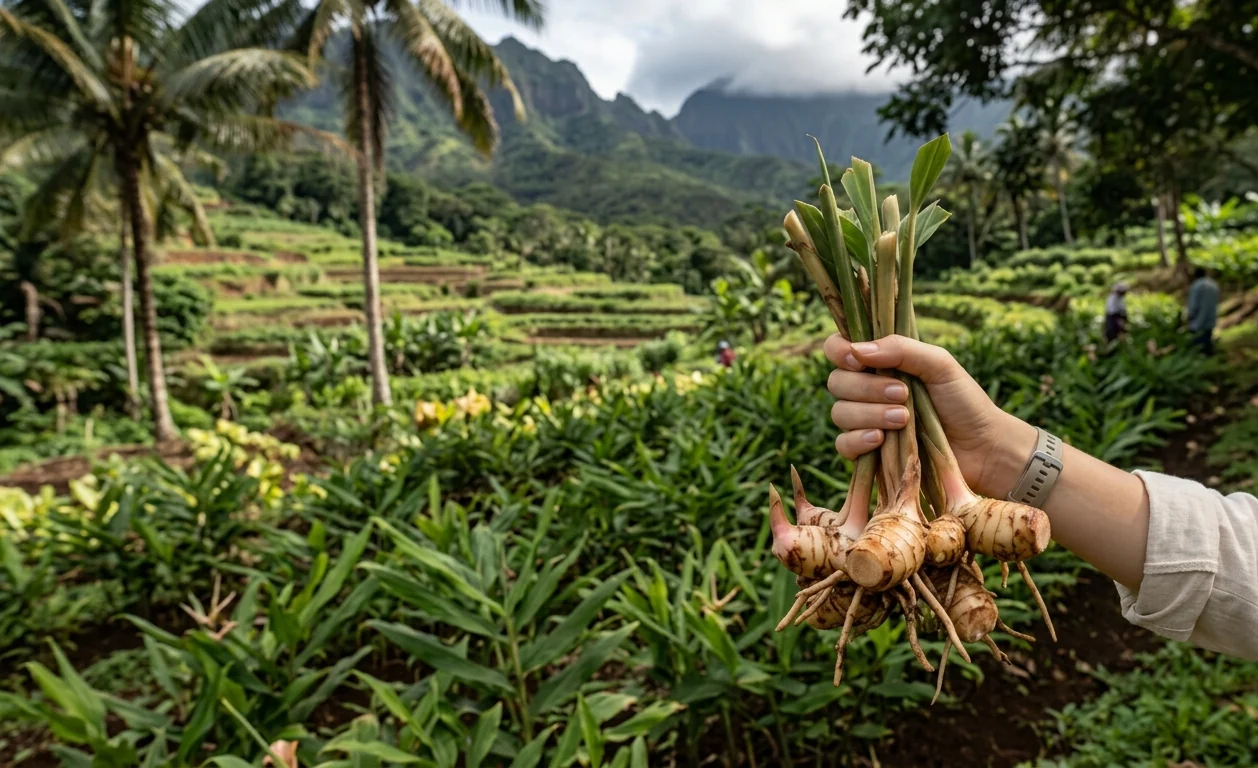
Whole and Chunk Dried Galangal for Buyers in Canada
Buy the input to your mill, not an assumed finished powder. Piece handling, preparation effort, and lot identity belong in the buying decision.
Evaluate the Material at the Hopper
Ask the mill operator which pieces need pre-breaking and which fines can enter directly. Record the manual preparation during the sample run. A low price per bag is not a complete comparison if another offer needs less sorting to become usable input.
If one incoming lot feeds several production batches, decide how its identity is carried into the plant's records. This is a suggested receiving control, not a promise about the documents available for an unallocated lot.
Ask the operator to describe the trial from bag opening to usable machine input. Note where material waits, which pieces are handled twice, and how samples are taken from a mixed bag. Those observations reveal a preparation cost that is invisible in a supplier photograph or a simple price-per-kilogram comparison.
Import the Input Under Its Own Description
Use CFIA's food-import guidance with your Canadian representative when reviewing the commodity. Describe whole or chunk dried rhizome as received. Do not describe an imported powder if milling happens only after arrival.
Official reference: CFIA: Importing Food With A Valid Licence.
Your Canada Quotation Brief
Provide the largest usable piece and any preparation stage before the mill.
Record sorting losses and useful input in the trial. They are not a guaranteed commercial yield.
Specify the bag and batch identifiers your plant needs to trace the material into its own production.
Confirm the pack weight, the handling equipment, and who receives and samples the shipment.
Questions Before Ordering
Is Whole Galangal Equivalent to Finished Powder?
No. Size reduction, screening, and any further processing are separate operations. Evaluate the input and the finished output with separate specifications.
Must Every Piece Have the Same Shape?
No. Natural rhizomes vary. Specify the functional piece range and the permitted fragments, then check those points against a representative sample.