Market notes

Indonesia Galangal Dried Supplier for Canada

Canada is not a smaller version of the United States. The authorities differ, food labelling carries requirements the US does not impose, and one agency handles what two handle south of the border.

Short answer: Galangal buyers serving Canada should confirm use, format, cut or piece range, moisture, packing, volume, destination, documents, and trade term. CFIA rather than the US agencies, and bilingual labelling the moment material is repacked for retail.

Who buys what, and why it differs here

Demand sits with food manufacturers and the Asian grocery trade, concentrated around Toronto and Vancouver — two markets far enough apart that the port question is decided by which of them you serve rather than by sailing distance.

The mistake worth avoiding here is treating Canada as an extension of a US operation. It is a separate jurisdiction with a different structure: one agency covers both plant health and food safety, where the United States splits them, and the obligations fall differently between supplier and importer as a result.

Then there is a requirement with no US equivalent at all. Consumer-facing food packaging carries bilingual English and French labelling obligations, which does not touch bulk industrial supply but changes the specification the moment material is repacked for retail. It is the single most commonly overlooked point in this market.

Product fit for this market

Relevance by product — Canada
Product Relevance here Suggested grade / format Note
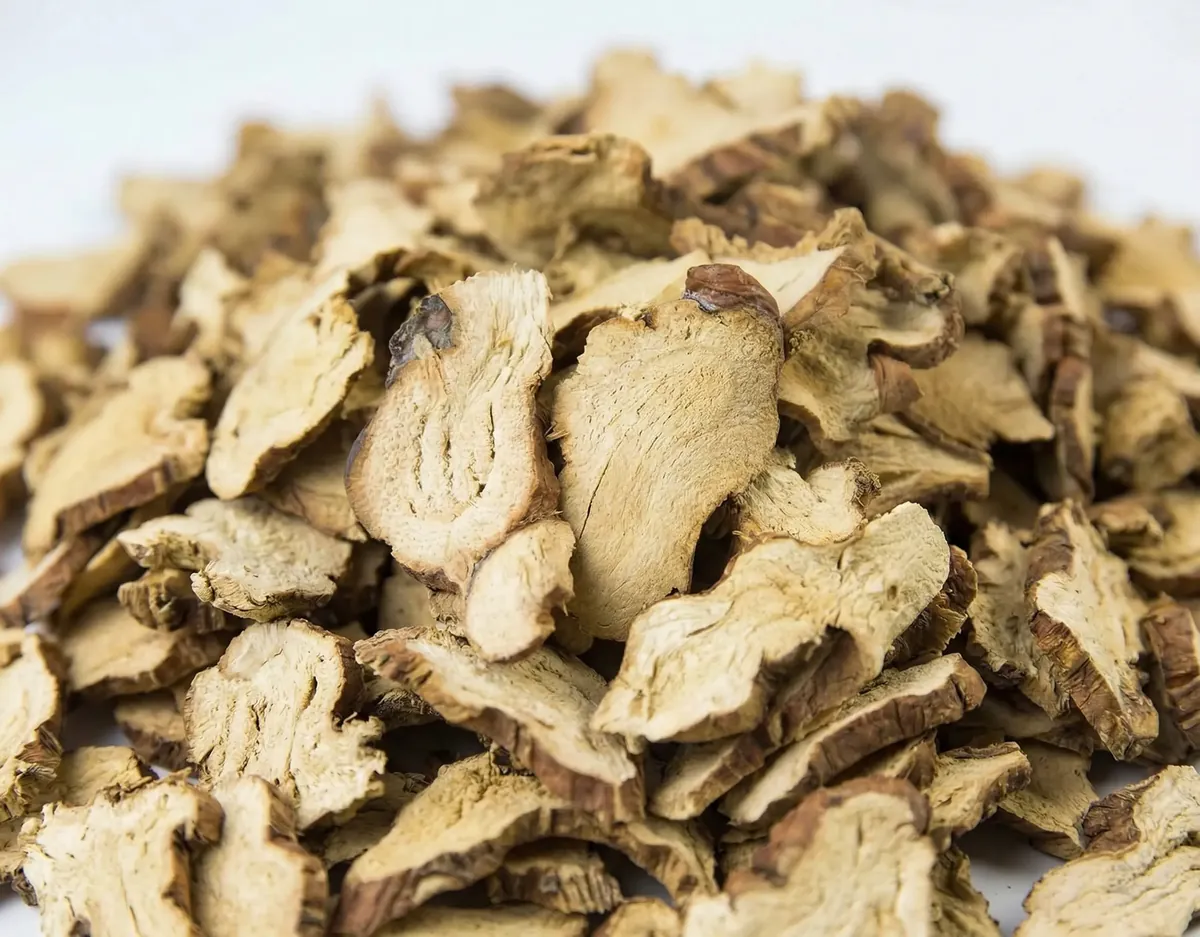
Dried galangal slices Lead Buyer-defined cut, sample-led Food manufacturing and Asian grocery trade around Toronto and Vancouver.
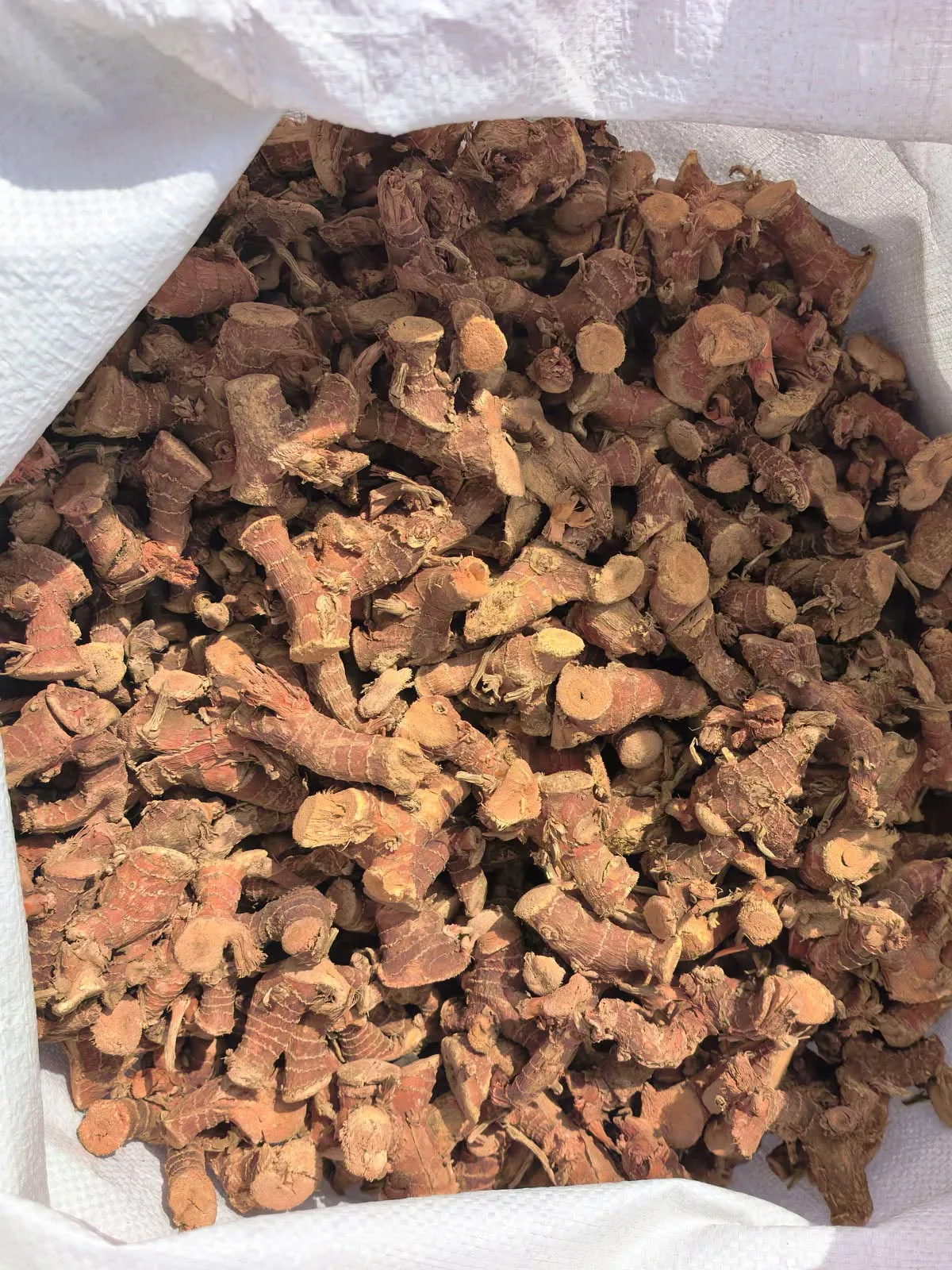
Dried galangal whole & chunk On request Written piece definition Repackers and processors serving the same channel.

If spice material is repacked for retail, bilingual labelling applies — raise it before packing is specified.

Both products in detail

One authority, two languages, and no borrowed paperwork

One agency, where the US has two

The Canadian Food Inspection Agency is the competent authority for both plant health and food safety. That is a genuine simplification compared with the United States, where those sit with different agencies and a supplier can satisfy one while overlooking the other — but it also means a single set of expectations rather than two, and less room to argue that a requirement belonged to someone else.

A phytosanitary certificate accompanies each consignment under conditions confirmed at the time, and food imports carry preventive control obligations that sit largely on the importer rather than on us. Knowing which of those is yours before booking is the difference between a clearance and a hold.

Bilingual labelling

Consumer-facing food packaging in Canada carries bilingual English and French labelling requirements. This does not touch bulk industrial supply, but it changes the specification the moment material is packed for retail sale — and it is the requirement American suppliers most consistently overlook when they treat Canada as an extension of their domestic market.

Do not assume US equivalence

A document set assembled for a US importer is a starting point here, not a substitute. The agencies differ, the obligations sit differently between supplier and importer, and the labelling layer has no US equivalent.

The reason this is worth stating rather than assuming is that the assumption is usually invisible. Nobody decides to treat the two markets as one; a buyer simply asks for what their supplier already has, the supplier sends it, and both sides discover the gap at the point where it is most expensive to close. Asking early which of the two sets we are building costs one message.

What a single authority changes about the conversation

Where responsibility sits with one agency rather than being divided, the questions come back consolidated rather than in parallel from parties with different scopes. That tends to make the first exchange shorter and the answer more definite, and it removes a failure mode that exists next door: satisfying one authority in a way that does not satisfy the other.

It does not make the requirement lighter. It makes it single, which is a different thing and generally a better one to plan against.

Where the bilingual layer actually lands

Bulk material shipped to a manufacturer does not carry consumer labelling, so for most of what we supply the requirement sits downstream of us entirely. It becomes ours to think about at one specific moment: when a buyer intends to repack our material for retail without an intermediate processing step.

That case is worth flagging at enquiry rather than discovering at the pack stage, because it changes what pack size and what inner presentation are useful — and those are production decisions, not labelling decisions, so they have to be made before the lot is made rather than after it lands.

Route and packing

Port of discharge

Vancouver for British Columbia and the west; Montreal for Ontario, Quebec, and eastern distribution. The two are far apart in transit and in inland cost, so the choice belongs in the enquiry.

Transit

Tanjung Priok to Vancouver and to Montreal, stated in the quotation for the booking offered.

Winter arrival

Material landing in a Canadian winter can sit in freezing conditions and then move into heated storage, and it is the swing rather than the cold that causes trouble: condensation on rewarming is what turns a dry consignment damp. Say if a winter delivery is planned and the packing is specified for it.

Pallet handling

North American 48×40 inch pallet handling as in the United States. Confirm stack height for your receiving site.

Terminology and commercial norms

Galangal is called galangal, and the botanical name carries weight in the ingredient trade — expect it on specifications rather than only on certificates. French-language documentation may be requested by Quebec-based buyers, and for retail-bound material it is not a courtesy but a requirement.

Commercially, T/T is standard and buyers frequently want landed cost rather than a port price. Manufacturing buyers plan against production runs, so a supplier who can commit to a delivery window some months out is more useful than one competing on a single shipment.

How a first order into Canada is de-risked

  1. Sample first

    Approve a physical sample before any container commitment. The approved sample becomes the acceptance reference.

  2. Written specification

    Format, tolerances, packing, and documents recorded before production. No verbal promises.

  3. Start small

    Trial quantities and mixed loads are reviewed before quotation — you are not forced into full-container risk.

Questions from Canadian buyers

Can we use the same documentation as our US operation?

As a starting point only. The CFIA is the authority for both plant health and food safety here, obligations sit differently between supplier and importer than under the US system, and there is a bilingual labelling layer with no US equivalent. We scope the document set against Canadian requirements rather than assuming equivalence.

Does bilingual labelling apply to what you supply?

Not to bulk industrial material, but it applies the moment spice is packed for consumer sale. If retail packing is in scope, raise it before the packing specification is written rather than after.

How does material handle a winter arrival?

The risk is not the cold itself but the swing: material that freezes and then rewarms in heated storage can pick up condensation, and that is what turns a dry consignment damp. Tell us if delivery lands in winter and the wrapping and moisture target are specified for it.

Request a quotation basis for Canada

Destination is pre-filled — change it to Montreal if that serves you better. Say whether any material is repacked for retail.

Complete briefs receive a substantive reply from the export desk — not an autoresponder. Incomplete enquiries receive clarifying questions the same day.

Opens WhatsApp with your brief filled in. Nothing is stored on this site.

WhatsApp