Market notes

Indonesia Galangal Dried Supplier for New Zealand

The costly assumption here is that this is Australia with fewer people. The biosecurity regime is separate, the authority is different, and nothing you have earned across the Tasman travels with you.

Short answer: A galangal enquiry for New Zealand should state use, slices or whole/chunk, cut or piece tolerance, moisture, packing, volume, destination, documents, and trade term. Separate biosecurity system, separate authority. Nothing earned across the Tasman travels with you.

Who buys what, and why it differs here

Exporters routinely treat Australia and New Zealand as one territory, and for some commercial purposes that is harmless. For imported plant material it is not. The two countries run separate biosecurity systems with separate authorities and separate conditions, and a supplier's standing in one carries no weight in the other. A consignment pattern that has become routine into Australian ports arrives here as a first-time entry.

The buyer side is smaller and more concentrated than in most markets on this list. Food manufacturers producing Asian-style products, importers supplying a well established Asian grocery channel, and food service distributors make up most of the demand. Volumes are modest. What they are not is casual: this is a country whose own food exports are sold on the strength of their assurance systems, and buyers here are accustomed to being audited themselves. They ask for evidence in the way people ask who have had to supply it.

That combination — small volumes, high documentation expectations, a separate border regime — is why this page exists separately from the Australian one rather than as a paragraph inside it.

Product fit for this market

Relevance by product — New Zealand
Product Relevance here Suggested grade / format Note
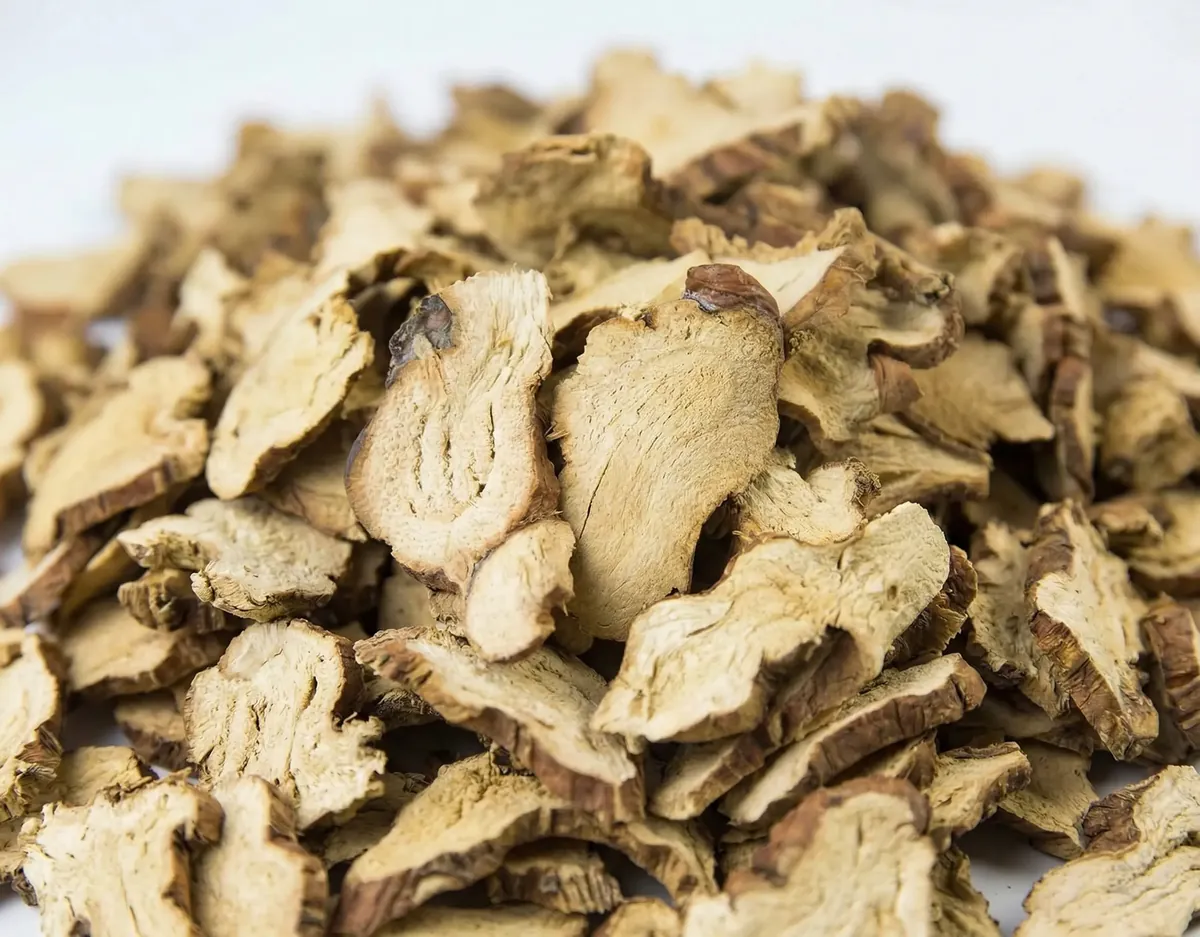
Dried galangal slices Lead Buyer-defined cut, sample-led Bought by manufacturers and by importers repacking for the grocery and food service channel, where a defined cut arrives ready to use.
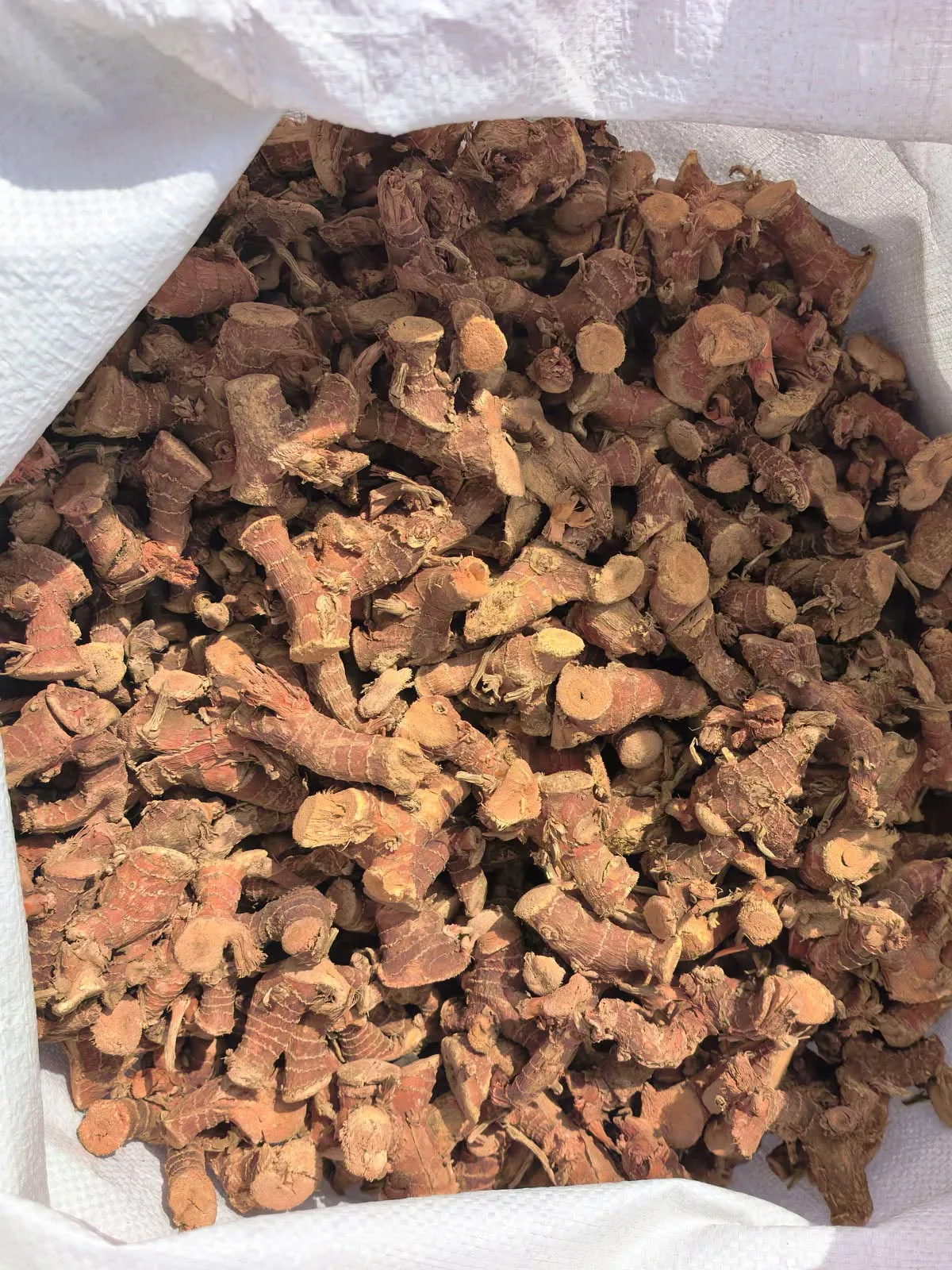
Dried galangal whole & chunk On request Written piece definition For the smaller number of buyers reducing in-house rather than buying a finished cut.

Order sizes here are set by a small domestic market, not by hesitancy. A lot sized to one production run and specified exactly is the normal first order.

Both products in detail

A separate border, not a shared one

Biosecurity is its own system here

New Zealand operates one of the more protective biosecurity regimes anywhere, run by its own authority under its own instruments. Imported plant material is assessed against requirements set for that commodity and origin, and dried product travels with a phytosanitary certificate with conditions confirmed per consignment. What matters for a supplier is the part that is easy to get wrong: none of this is inherited from an Australian arrangement, however similar the two may look from outside.

Food safety sits alongside biosecurity

Entry conditions are one system; food safety requirements are another, and testing scope is set against the second rather than carried over from whatever panel a previous market accepted.

Presentation of the cargo is part of the assessment

In a strict biosecurity environment, the physical state of a consignment carries weight alongside the paperwork. Cleanliness, absence of soil and plant debris, and packing integrity are not cosmetic questions; they inform how the cargo is treated on arrival. This is specified before production rather than hoped for at loading.

What an Australian track record is and is not worth here

It is reasonable for a buyer to ask whether we have shipped this commodity into Australia, and reasonable for us to answer plainly. What is not reasonable is to treat the answer as a shortcut. Compliance history sits with the authority that recorded it, and an assessment made across the Tasman is not evidence in a system that did not make it. A supplier who implies otherwise is describing a convenience that does not exist.

The practical version of that: a consignment bound here is scoped from the New Zealand requirement outward, not from an Australian shipment inward. If the two turn out to align, that is a saving discovered afterwards rather than an assumption made first.

Why a small order still gets a full specification

A first order here is likely to be small, and it would be easy for a supplier to treat it accordingly. We would rather not. The specifying work is the same at one pallet as at twenty, and a buyer who audits carefully and orders modestly is the kind who stays for years if the first shipment holds.

There is a second reason that is purely practical. A small consignment that is held for inspection is held just as long as a large one, and the cost of that delay lands on a smaller quantity. Getting the entry conditions right matters more, not less, when the lot is small.

Route and packing to Auckland

Port of discharge

Auckland for most shipments. Tauranga is used where a buyer's operation or onward distribution favours it, and Lyttelton serves the South Island.

Transit

Tanjung Priok to Auckland, sailing schedule and transit stated in the quotation for the booking offered. Services to this destination are less frequent than to the larger markets on this list, which makes the sailing calendar worth agreeing alongside the specification.

Consolidated and part-container lots

Normal rather than exceptional for this destination. Tell us the quantity you actually need instead of rounding up to a full container — the freight economics on this route reward honesty about volume more than they punish it.

Southern-hemisphere calendar

Demand peaks sit roughly half a year from the northern markets on this list, which affects how easily a production slot is secured rather than the price. Tell us which months you need covered and the plan is built around them.

Terminology and commercial norms

Enquiries arrive in English and generally use the English trade term. Because a good deal of the grocery channel here serves communities who know the rhizome by its Southeast Asian names, it is worth confirming against Alpinia galanga where an enquiry uses a regional name — the same greater-and-lesser confusion that exists elsewhere exists here too.

Commercially, expect a careful first order, questions about assurance and traceability that go further than the volume would suggest, and a preference for settling lead time and sailing frequency alongside price rather than after it. On a route with fewer services, the calendar is part of the offer.

How a first order into New Zealand is de-risked

  1. Sample first

    Approve a physical sample before any container commitment. The approved sample becomes the acceptance reference.

  2. Written specification

    Format, tolerances, packing, and documents recorded before production. No verbal promises.

  3. Start small

    Trial quantities and mixed loads are reviewed before quotation — you are not forced into full-container risk.

Questions from New Zealand buyers

You already ship to Australia. Does that make entry here easier?

Commercially it means we understand a comparable market. At the border it means nothing at all — the systems are separate, the authorities are different, and conditions are assessed here on their own terms. Any supplier implying otherwise is describing convenience rather than compliance.

Our volumes are small. Will you take the order seriously?

Yes, and the specification work is identical regardless of tonnage. Consolidated and part-container lots are normal on this route. Tell us what you actually need rather than rounding up — a small first order that performs is worth more to both of us than a large one that disappoints.

How is the cargo presented on arrival, given how strict entry is here?

Clean, free of soil and plant debris, with packing integrity intact and the documents matching what is in the container. That is specified before production rather than hoped for at loading, because in a strict biosecurity environment the physical condition of a consignment is part of how it is assessed.

Sailings to us are less frequent. How should we plan?

By agreeing the calendar with the specification rather than after it. Tell us the months you need cover for and we will be honest about which sailing that implies. On this route a lead time quoted without the schedule behind it is not a lead time.

Can you provide the assurance documentation our own customers expect from us?

We can provide the specification, the analysis for the lot you are buying, and origin documentation, issued so they can be filed and forwarded. Where your own programme requires something we do not currently hold, we will say so rather than imply coverage — that is the answer a buyer who gets audited actually wants.

Request a quotation basis for New Zealand

Destination is pre-filled. Tell us the product, the quantity you actually need, and the months you want covered — on this route the sailing calendar is part of the answer.

Complete briefs receive a substantive reply from the export desk — not an autoresponder. Incomplete enquiries receive clarifying questions the same day.

Opens WhatsApp with your brief filled in. Nothing is stored on this site.

WhatsApp